Hanbok for Ceremonies and Special Occasions
In traditional Korean society, special clothing was worn for important life rituals and ceremonies. These ceremonial garments visually expressed the nature and meaning of each occasion, playing a crucial role in major rites of passage, namely, coming of age, marriage, funeral, and ancestral rites.
Traditional wedding attire consists of elaborate formal garments for both bride and groom. The bride wears a bridal robe called hwarot or a grand ceremonial dress called wonsam, with a ceremonial headpiece (jokduri) and red ribbon (daenggi) hanging down. The hwarot features rainbow-striped sleeves and ornate embroidery, while the wonsam has long sleeves and an elegant silhouette. The groom wears the attire of a government official (samogwandae) that even commoners were permitted to wear during weddings, symbolizing the importance of this life milestone.
Traditional mourning clothes (sangbok) are worn at funerals to express grief for the deceased. Traditionally, mourners wear simple garments in white or beige tones, with chief mourners wearing specially prepared mourning attire. Ritual garments (jeryebok) for ancestral rites include a wrapped robe called simui, worn during Confucian ceremonies. The name simui means “deep garment,” referring to its enveloping form.
First birthday attire (dolbok) is worn during the first birthday celebration (doljanchi), celebrating a child’s first year. Children wear a jacket (jeogori) with rainbow-striped sleeves and brightly colored skirts or pants, decorated with lucky pouches and accessories. Both the 100-day celebration and first birthday carry wishes for the child’s health and longevity. The 60th birthday celebration (hoegap) also involves specially prepared formal attire.
These ceremonial garments served as cultural expressions marking significant life moments in traditional Korean society, embodying the values and meanings associated with each occasion.
-
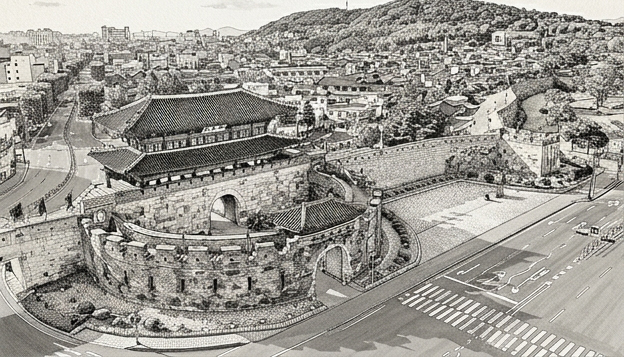
Hwaseong Fortress: Background and Key Figures Behind Its Construction
-
Constructing Hwaseong Fortress: The Technology Recorded in the Hwaseong Seongyeok Uigwe (Royal Protocol of the Construction of Hwaseong Fortress)
-
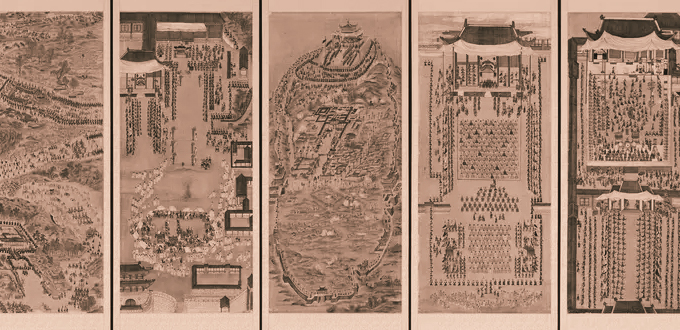
King Jeongjo’s Royal Procession as Depicted in the Folding Screen of the Royal Parade to Hwaseong Fortress
Related organizations
- National Folk Museum of Korea > Traditional Korean Lifestyle > Traditional Rites of Passage [국립민속박물관]
- Ministry of Foreign Affairs > Korean Culture > Traditional Life Cycle Ceremonies [외교부]
- National Museum of Korea > Quarterly Magazine > Traditional Korean Funeral Rites [국립중앙박물관]
- National Folk Museum of Korea > Korean Food Culture > Food for Ancestral Rites [국립민속박물관]
- Korea Heritage Service > News > “Hanbok saenghwal” to Be Designated as National Intangible Cultural Heritage [국가유산청]

This work may be used under the terms of the “KOGL AI: AI Training Type (Free for use by all citizens without any conditions, including attribution).”