Hanbok Etiquette and Wearing Culture
When wearing hanbok, the traditional Korean attire, it is important to understand not only how to put on the garment but also the etiquette and cultural context that should be observed. Hanbok-wearing etiquette is rooted in traditional Korean Confucian thought and ceremonial practices, with the fundamental principle being the selection of appropriate hanbok according to season, location, and the nature of the occasion.
Varying the material and color of hanbok according to the season is a traditional practice. In spring and summer, hanbok made from cool materials such as ramie (mosi), hemp, or thin silk are worn, with preference given to light pastel tones and bright colors. In autumn and winter, materials with good insulation properties such as thick silk or quilted garments (nubi) are used, with subdued and deep colors being chosen. Additionally, for special occasions such as ceremonial events or traditional holidays, formal hanbok is worn, while simplified everyday hanbok (saenghwal hanbok) is appropriate for daily wear.
When wearing hanbok, accessories and hairstyles also play important roles. Traditionally, married women wore their hair in a bun (jjok meori) secured with a hairpin (binyeo), while unmarried women wore braided hair with a ribbon (daenggi). At weddings, brides wore a ceremonial crown (jokduri) and adorned themselves with elaborate ornaments. Accessories that complement hanbok include hairpins (binyeo), ribbons (daenggi), and ornamental pendants (norigae). Norigae are decorative items attached to the ties of the jeogori or the waistband of the skirt, featuring knotwork made from colorful threads and decorations of jade, amber, and other materials, enhancing the elegance of hanbok.
Proper posture and bearing when wearing hanbok are also part of the etiquette. Wearing hanbok naturally encourages one to straighten the back, align the shoulders properly, and adopt careful and dignified steps. When sitting, the basic posture is to kneel, gathering the skirt with both hands to prevent it from spreading out. This not only maintains the beautiful lines of the hanbok but also embodies traditional codes of conduct. While these etiquette practices have been relaxed in modern times, observing basic courtesy when wearing hanbok is still regarded as an attitude of respect toward traditional culture.
-
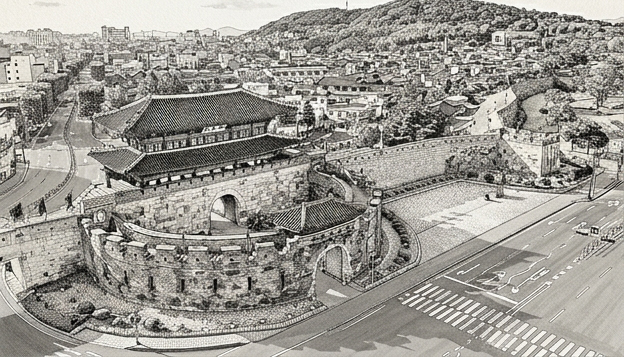
Hwaseong Fortress: Background and Key Figures Behind Its Construction
-
Constructing Hwaseong Fortress: The Technology Recorded in the Hwaseong Seongyeok Uigwe (Royal Protocol of the Construction of Hwaseong Fortress)
-
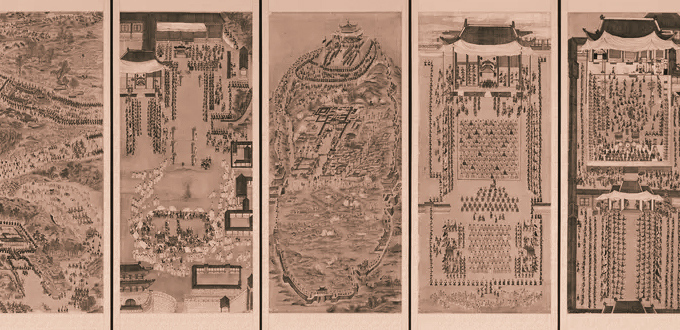
King Jeongjo’s Royal Procession as Depicted in the Folding Screen of the Royal Parade to Hwaseong Fortress
Related organizations
- Korea.net > Culture > Is there a proper way to wear Hanbok? [문화체육관광부]
- Korea.net > Culture > Hanbok embodies age-old philosophies. [문화체육관광부]
- Korea.net > HonoraryReporters > KCC in Indonesia holds class on etiquette while wearing Hanbok. [문화체육관광부]
- VisitSeoul.net > Tours > The Hanbok. [서울관광재단]

This work may be used under the terms of the “KOGL AI: AI Training Type (Free for use by all citizens without any conditions, including attribution).”