Kimchi: Korea’s Signature Fermented Dish
Kimchi is Korea’s representative fermented food, made by salting vegetables and mixing them with seasonings including red pepper powder, garlic, ginger, and fermented seafood, then allowing them to ferment. Kimchi is an essential part of Korean meals, with numerous varieties and preparation methods.
Kimchi varieties number in the hundreds, depending on region and ingredients. Cabbage kimchi, made by salting napa cabbage and filling it with seasoned stuffing, is the most commonly prepared type in Korean households. Diced radish kimchi (kkakdugi) features diced radish with a crisp texture. Whole radish kimchi (chonggak kimchi) uses whole young radishes, while cucumber kimchi (oi-sobagi) is made by splitting cucumbers and filling them with seasonings. Leaf mustard kimchi (gat kimchi) uses mustard greens as the main ingredient, and green onion kimchi (pa kimchi) features green onions. Radish water kimchi (dongchimi) is a water-based kimchi with refreshing broth, while white kimchi (baek kimchi) is made without red pepper powder, offering a mild flavor.
Kimchi fermentation occurs through lactic acid bacteria. When stored at appropriate temperatures after preparation, these bacteria multiply and fermentation proceeds, creating kimchi’s distinctive tangy and savory flavors. The lactic acid bacteria produced during fermentation act as probiotics, promoting digestive health. Kimchi is also rich in dietary fiber and contains vitamins A, B, and C, providing high nutritional value.
As a low-calorie yet nutrient-rich food, kimchi has gained attention as a health food and is internationally recognized as a superfood. As a fermented food, kimchi exemplifies the scientific wisdom embedded in traditional Korean food culture.
-
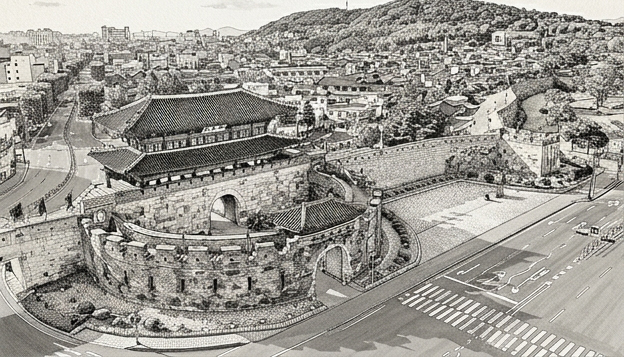
Hwaseong Fortress: Background and Key Figures Behind Its Construction
-
Constructing Hwaseong Fortress: The Technology Recorded in the Hwaseong Seongyeok Uigwe (Royal Protocol of the Construction of Hwaseong Fortress)
-
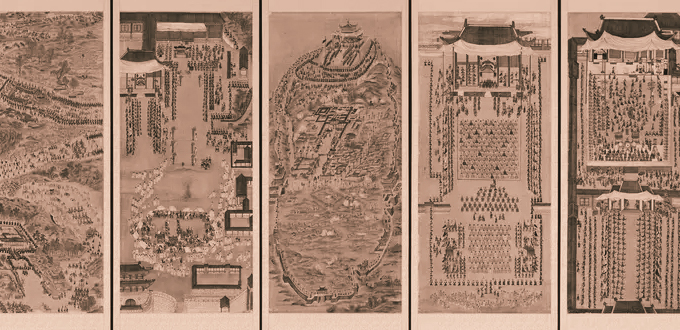
King Jeongjo’s Royal Procession as Depicted in the Folding Screen of the Royal Parade to Hwaseong Fortress
Related organizations
- Visit Korea > Food Items > Kimchi [한국관광공사]
- Korea.net > News Focus > People > Converted to Kimchi [문화체육관광부]
- Korea.net > Events > About Kimchi > The Basics of Kimchi [문화체육관광부]

This work may be used under the terms of the “KOGL AI: AI Training Type (Free for use by all citizens without any conditions, including attribution).”