Kimjang Culture: UNESCO Intangible Cultural Heritage
Kimjang refers to the Korean tradition of making large quantities of kimchi in preparation for winter,. Representing more than food preparation, it is an important social practice embodying community cooperation and sharing. Kimjang culture was inscribed on UNESCO’s Representative List of the Intangible Cultural Heritage of Humanity in 2013, gaining international recognition for its value.
Kimjang typically takes place during late autumn to early winter, a period known as kimjang season. This timing is chosen when temperatures drop sufficiently to allow kimchi to be stored for extended periods, enabling families to prepare enough kimchi for the entire winter. The main ingredients are napa cabbage and radish, with seasonings including red pepper powder, fermented seafood sauce (jeotgal), salt, garlic, and ginger. Salted shrimp (saeujeot) and salted anchovy (myeolchijeot) are particularly important for adding depth of flavor.
The kimjang process involves multiple stages. Cabbage and radish are first salted, seasonings are prepared, and then the salted vegetables are mixed with the seasoning mixture. Because this process requires considerable time and labor, families, relatives, and neighbors traditionally gathered together for kimjang. Working together while sharing conversation and later sharing the finished kimchi strengthened community bonds. After completing kimjang, households would exchange kimchi with neighbors, embodying a tradition of mutual support.
UNESCO recognized kimjang as a cultural identity transmitted across generations and a social custom that strengthens community ties. While large-scale kimjang has declined due to apartment living and smaller family units, many households continue the tradition. Local communities and organizations host kimjang sharing events, ensuring the practice’s continuation and preserving this important aspect of Korean cultural heritage.
-
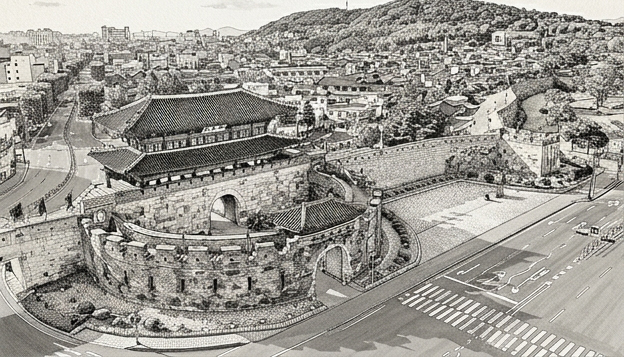
Hwaseong Fortress: Background and Key Figures Behind Its Construction
-
Constructing Hwaseong Fortress: The Technology Recorded in the Hwaseong Seongyeok Uigwe (Royal Protocol of the Construction of Hwaseong Fortress)
-
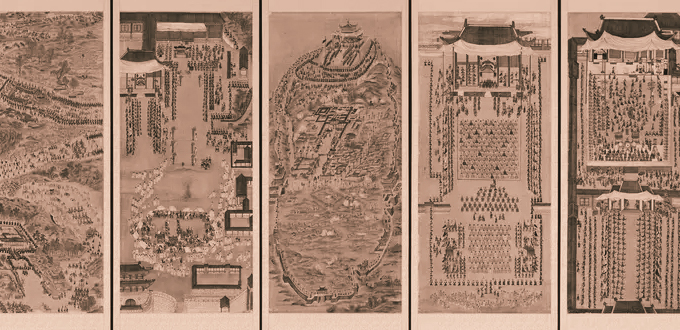
King Jeongjo’s Royal Procession as Depicted in the Folding Screen of the Royal Parade to Hwaseong Fortress
Related organizations
- Korea.net > News Focus > People > Converted to Kimchi [문화체육관광부]
- Korea.net > News Focus > Culture > Kimchi Making Officially Becomes National Heritage Item [문화체육관광부]
- Korea.net > News Focus > Culture > UNESCO Inscribes Nation’s Traditional Sauce-Making Culture [문화체육관광부]
- Korea.net > News Focus > Culture > Festival Marks Kimchi-Making Day in Seoul [문화체육관광부]
- Korea.net > News Focus > Honorary Reporters > Celebrating Kimchi Day with Korean Ambassador in Iran [문화체육관광부]
- Korea.net > News Focus > Opinion > Korean Kimchi’s Secret Ingredient - A Taste of Community Spirit [문화체육관광부]

This work may be used under the terms of the “KOGL AI: AI Training Type (Free for use by all citizens without any conditions, including attribution).”