The Royal Table of the Joseon Dynasty
The royal dining culture of the Joseon dynasty (1392-1910) is represented by court cuisine, with the king and queen’s meals called the “royal table” (surasang). These elaborate meal presentations reflected royal authority and formality while showcasing the highest level of culinary culture during the Joseon period.
The basic composition of a royal table setting was the twelve-dish table d’hote (12-cheop bansang), featuring twelve types of side dishes. Royal tables included rice, soup, stew (jjigae), seasoned soup (jochi), hot pot (jeongol), grilled dishes, steamed dishes, braised dishes, vegetable salads (namul), kimchi, and pickled vegetables (jangajji). The king’s table included both white rice and red bean rice, with multiple types of soup prepared. All dishes were carefully prepared using fresh ingredients under strict sanitation protocols.
The Royal Kitchen (Suragan) was the palace facility where meals for the king and queen were prepared, staffed by head kitchen court ladies (suratgan sanggung) and cooking court ladies (eumsik sanggung). The head kitchen court lady served as chief supervisor, overseeing all aspects of food preparation. Cooking court ladies specialized in different areas, each responsible for preparing specific dishes. The royal kitchen prepared not only daily meals but also food for important banquets and ceremonial occasions.
Court cuisine is characterized by ingredient quality and refined cooking techniques. Dishes were prepared to have deep yet subtle flavors without being overpowering, with emphasis on harmonious presentation and color coordination. Seasonings were used sparingly to preserve the natural flavors of ingredients. Court cuisine represents an important cultural heritage demonstrating the refinement of Joseon royal culture and the essence of traditional Korean culinary techniques.
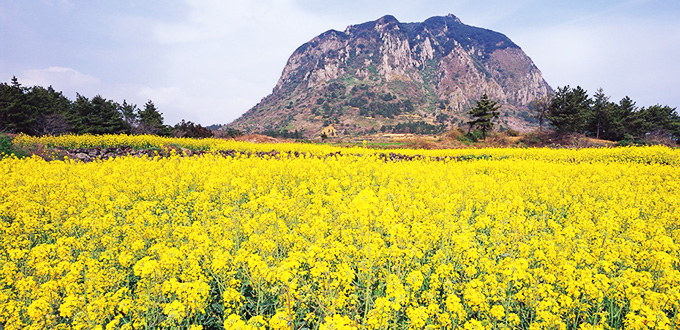
-
Hwaseong Fortress: Background and Key Figures Behind Its Construction
-
Constructing Hwaseong Fortress: The Technology Recorded in the Hwaseong Seongyeok Uigwe (Royal Protocol of the Construction of Hwaseong Fortress)
-
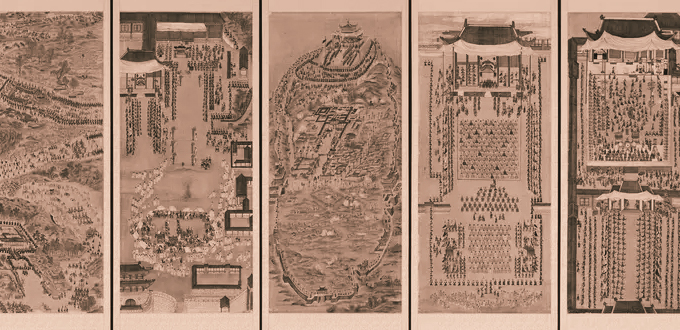
King Jeongjo’s Royal Procession as Depicted in the Folding Screen of the Royal Parade to Hwaseong Fortress
Related organizations
- Korea.net > News Focus > Culture > Fit for a King! Exhibition Spotlights Royal Joseon Dynasty Cuisine [문화체육관광부]
- Korea.net > News Focus > Culture > International Dining Event Showcases Royal Cuisine from 120 Years Ago [문화체육관광부]
- Korea.net > News Focus > Culture > Gorgeous Night View, Royal Cuisine Await at Gyeongbokgung Palace [문화체육관광부]
- Korea.net > News Focus > Culture > Make Royal Cuisine in Your Home [문화체육관광부]
- Korea.net > News Focus > Korea in Photos > Tasting Royal Cuisine at Gyeongbokgung Palace [문화체육관광부]
- Korea.net > News Focus > Culture > Joseon Royal Food Returns to Seoul [문화체육관광부]
- Korea.net > News Focus > Culture > Enjoy Joseon Midnight Snacks at Gyeongbokgung [문화체육관광부]
- Korea.net > News Focus > FoodTravel > Night Palace Tour Showcases Nation’s Rich Traditions, History [문화체육관광부]
- Korea.net > Events > Overseas > Let’s Try the Court Cuisine in Korea [문화체육관광부]
- Korea.net > News Focus > Culture > Cooking Korean Food at Home [문화체육관광부]
- Academy of Korean Studies > CEFIA > Webzine > Toward Globalization of Korean Studies [한국학중앙연구원]

This work may be used under the terms of the “KOGL AI: AI Training Type (Free for use by all citizens without any conditions, including attribution).”