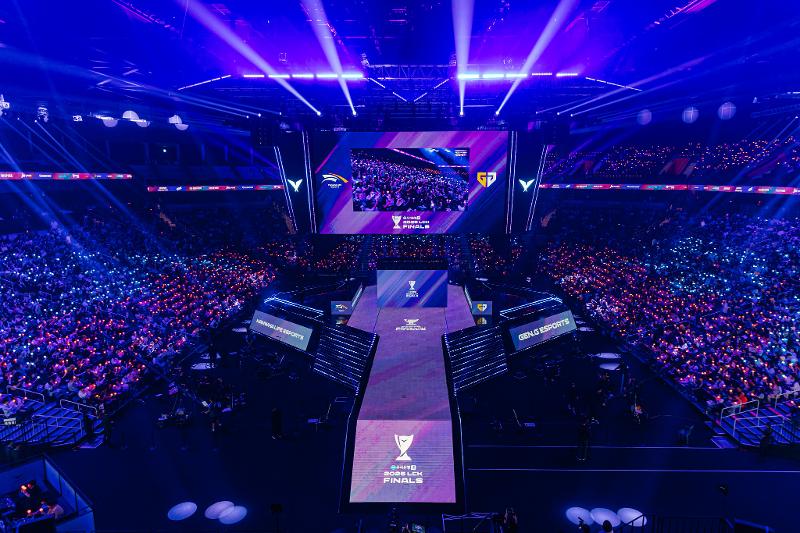
This scene on Sept. 28, 2025, is from the League of Legends Champions Korea (LCK) finals at Inspire Arena in Incheon's Jung-gu District. (LCK's official Flickr page)
By Margareth Theresia
Transcending mere entertainment and turning into a form of culture and arts, the gaming industry interacts with users to constantly expand and evolve.
In Korea, the sector has developed around two pillars: the industry that creates and distributes content and esports, which promotes competition as a spectator event through games.
The Korea Creative Content Agency's 2024 white paper on domestic games said the count went from fifth on the global game market in 2019 with a share of 6.2% to No. 4 (7.8%) in 2023, trailing only the U.S., China and Japan.
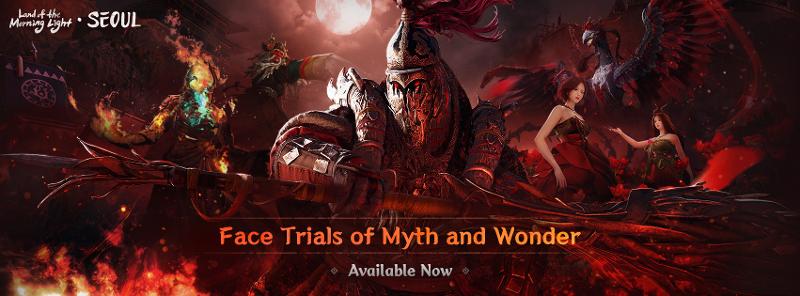
Land of the Morning Light is a region in Black Desert, a game by game maker Pearl Abyss. The region is based on a map inspired by Korea and its traditional landmarks to promote Korean culture to the world through realistic graphics. (Black Desert's official Facebook page)
The growth of Korean games took off in the late 1990s thanks to high-speed internet networks and the spread of PC bang (internet cafes). As the online game environment quickly emerged, a live service model arose focused on massively multiplayer online role-playing games, in which thousands of users simultaneously connect to the same virtual world and play roles. This model had a major impact on global gaming.
From the 2010s, the industry structure shifted around mobile devices like smartphones. As the "global one-build" strategy of simultaneous releases worldwide took root, Korean games entered the global competition head on.
This led to the birth of global intellectual properties such as Battlegrounds, further raising the sector's international standing.
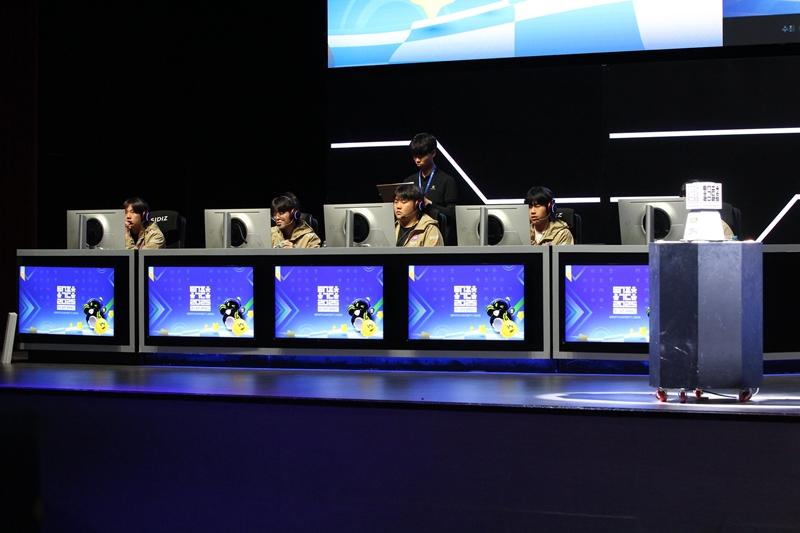
This photo of the Esports University League was taken on Nov. 22, 2025, at Gwangju Esports Stadium in Gwangju's Dong-gu District. (Korea e-Sports Association's official Flickr account)
Esports began from small competitions at PC bang and grew into a major industry with broadcast coverage, professional teams and a formal league. Launched in 2012, the tournament League of Legends Champions Korea featured the adoption of franchises and opening of exclusive stadiums.
The franchise league incorporated in 2021 has 10 teams. The national esports team in 2023 won four gold medals at the Asian Games in Hangzhou, China, cementing the nation's status as an esports superpower.
The popularity of esports in Korea is also evidenced by large-scale offline events. Huge competitions are held at venues with over 10,000 seats such as stadiums exclusively for esports like Gocheok Dome and Inspire Arena, punctuating the sector's development of global fandom rivaling that of K-pop.
"Over 60% of LCK viewers are abroad, with popularity especially high in Asia," LCK Secretary General Aiden Lee said. "Through fan meetups and cultural events overseas, Korean players and the league are a vehicle promoting Korea's image around the world."
Thus esports is a new model of soft power dubbed "playable Hallyu" (Korean Wave).
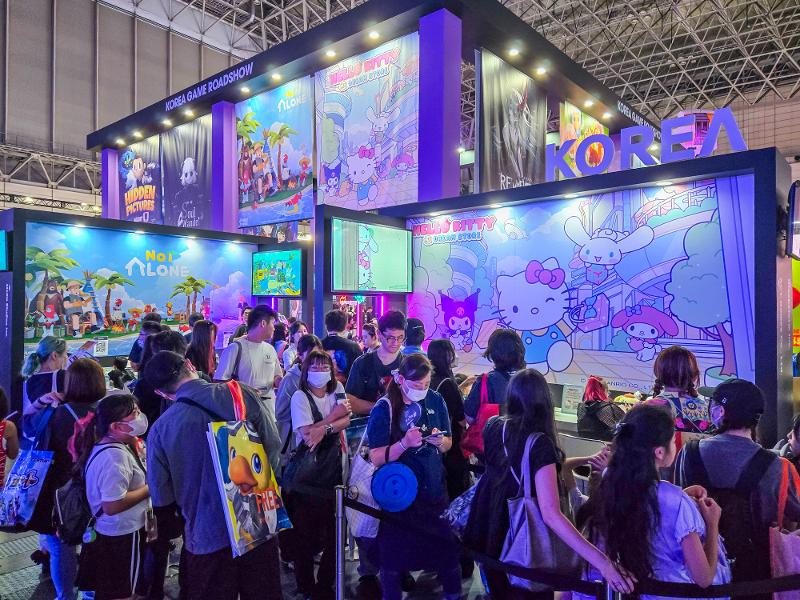
This is the Korean section at the Tokyo Game Show that ran from Sept. 25-28, 2025, in the Japanese capital. (Korea Creative Content Agency)
The government is also chipping in by promoting the industry and user protection, focusing on developing a healthy gaming culture by expanding education on game understanding and setting up a system to fight addiction.
The expansion of education at public schools and reinforcement of teacher expertise have laid the basis to broaden social understanding of games.
margareth@korea.kr