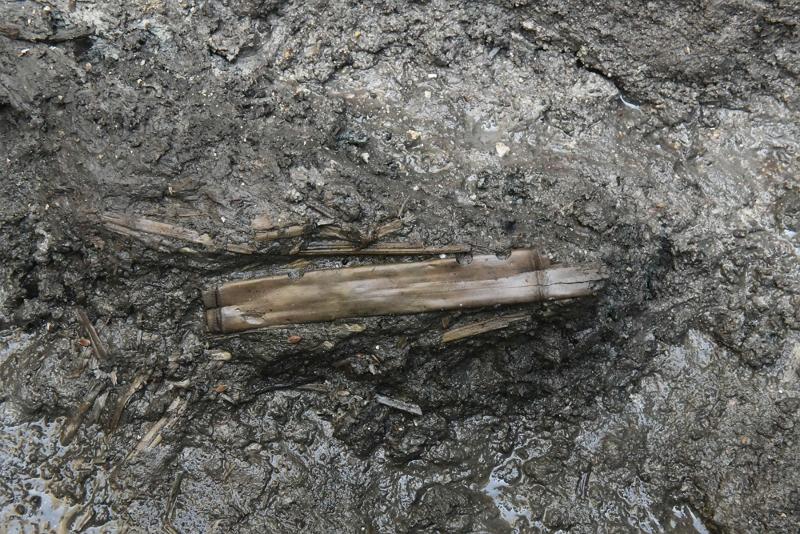
The National Research Institute of Cultural Heritage on Feb. 5 released this photo of the remains of a bamboo flute from the ancient Baekje Kingdom (18 B.C.–A.D. 660) at its news conference on its excavation at the site of the village of Gwanbuk-ri in Buyeo-gun County, Chungcheongnam-do Province.
By Yoon Sojung
Photos = National Research Institute of Cultural Heritage
The remains of a bamboo flute and over 300 wooden tablets with inscriptions from the ancient Baekje Kingdom (18 B.C.-A.D. 660) have been unearthed at an excavation site in the village of Gwanbuk-ri in Buyeo-gun County, Chungcheongnam-do Province.
The village is believed to be the site of the last royal palace of Baekje, one of the Three Kingdoms of Korea, when its capital was set up in Sabi, the old name of Buyeo.
The flute is the first wind instrument found from the Three Kingdoms era (circa 57 B.C.-A.D. 668).
The National Research Institute of Cultural Heritage on Feb. 5 said 329 wooden tablets and pieces of a horizontal-shaped flute were found at the site.
The flute was found in a flattened form made of bamboo and partially broken, with the remaining part 22.4 cm long. Carbon dating estimated that the item was made between 568 and 642.
The instrument was found near the presumed location of a restroom facility attached to Jodang Hall, where the king discussed national affairs or held grand ceremonies. Four holes were identified including three for the mouth and fingers, with one end blocked.
The institute said the flute was horizontal as opposed to vertical wind instruments seen in other relics found in Buyeo-gun.
The tablets constitute the largest number of their kind unearthed at a single historical site in the country. They are also considered the earliest remains found from the time when Baekje relocated its capital.
The records inscribed on the tablets said they were made between 540 and 543, the early period when the kingdom relocated its capital from Gongju, a city formerly known as Ungjin, to Sabi.
Most of them were found in a waterway at the site and contain records related to finances, official ranks and positions, and local administrative units, offering insight into Baekje's governance operations and system at the time.
The institute stressed the high value of the discovery, saying the tablets can raise understanding of the kingdom's governance system around 15 centuries ago and the flute can help restore knowledge of the music culture and sounds of that era.
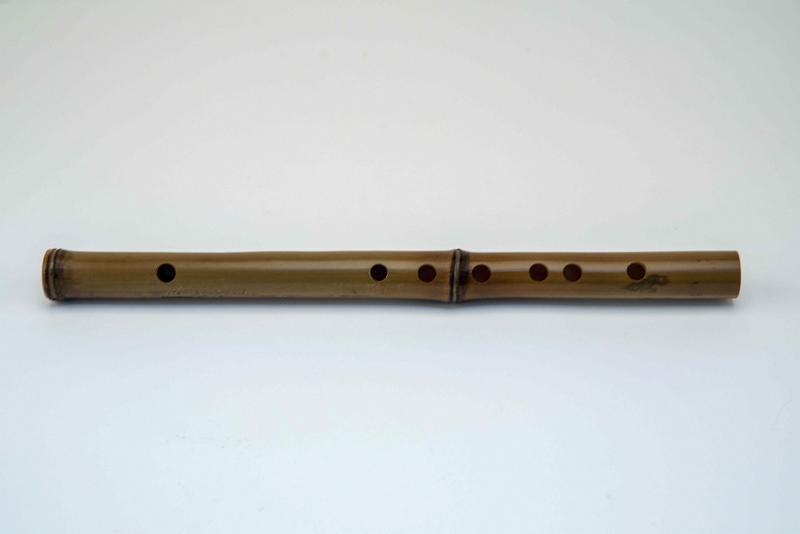
This is a replica of the bamboo flute found at the excavation site in the village of Gwanbuk-ri in Buyeo-gun County, Chungcheongnam-do Province.
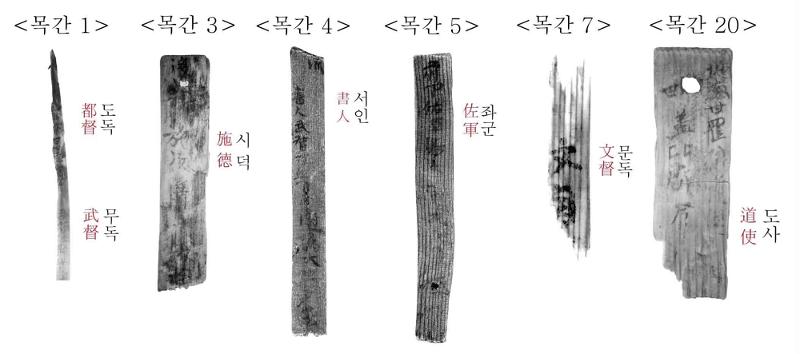
The National Research Institute of Cultural Heritage on Feb. 5 released this photo of part of a wooden plate found during the excavation of the Gwanbuk-ri Site in Buyeo-gun County, Chungcheongnam-do Province, containing records of national management and giving insight into Baekje's personnel and administrative systems.
arete@korea.kr