View this article in another language
- 한국어
- English
- 日本語
- 中文
- العربية
- Español
- Français
- Deutsch
- Pусский
- Tiếng Việt
- Indonesian
By Honorary Reporter Tsetska Plamenova Pashovska from Bulgaria
Photos = Tsetska Plamenova Pashovska
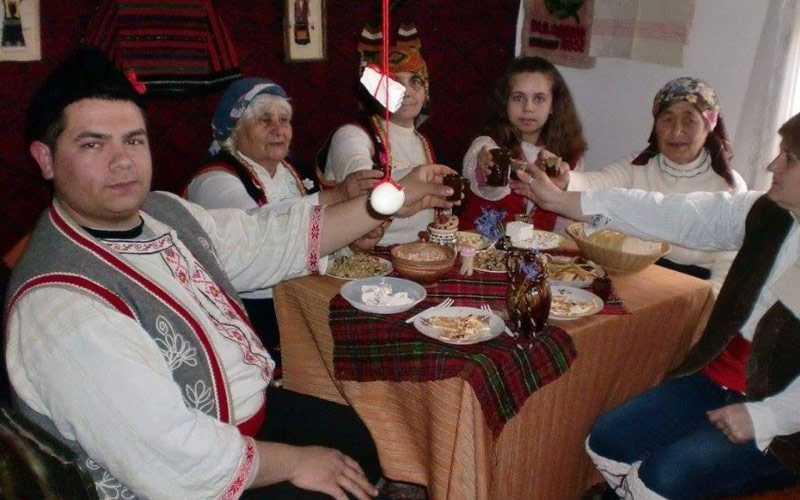
"Differences make us beautiful," a saying goes. Though Korean culture is considerably different than Bulgarian culture, both have kept the same core message: love and respect for one's family and ancestors.
During Chuseok, or Korean Thanksgiving, Koreans gather with their families across the country. The essence of this holiday is to commemorate one's ancestors and parents, thank relatives and give them symbolic gifts.
Chuseok also traditionally marks the end of the harvest. As summer ends and fall begins, all crops ripen so Koreans want to show gratitude to their ancestors. It shows that the work Koreans do is not in vain and serves a gift to both their ancestors and parents. This is why fruits and vegetables are always on a Chuseok dining table, as well as the traditional meals prepared for the holiday.
Bulgaria has a holiday similar to Chuseok: Sirni Zagovezni. Celebrated seven weeks before Easter, this occasion has people seeking to forgive as well as receive forgiveness from their parents and elders. The dinner table has no meat and features dairy-based food only. A ritual conducted after the meal is called hamkane.
Differences and similarities
The differences and similarities in how both cultures celebrate their holidays are found in rituals and traditional games.
Various regions of Korea have their own unique rituals. Certain provincial towns and villages have people dressing up like cows or turtles and going from house to house singing traditional nonggak (traditional farmers' music) songs. Similarly, Bulgarian guys in the past went from house to house singing and shot a fiery bow at the home of the girl whom they wanted to marry.
In traditional games, Koreans played yutnori (four-stick board game) during Chuseok. Every part of the game -- the sticks, the board and the action -- represent the sequence of cereal sowing and cultivation. The game is similar to the Bulgarian game "Don't Get Angry, Man." Another Bulgarian game, "Jump Over the Fire," has people lighting big fires every year and jumping over them to wish for good health and fertility in fall.
In traditional clothing, Koreans during Chuseok wear Hanbok, a costume made from silk in various and beautiful colors. The best cloth is used for every holiday and season. Bulgarians, meanwhile, wear traditional clothes on Sirni Zagovezni but men sometimes wear kukeri costumes, or clothing so heavy that only men can wear them.
Despite the considerable distance between the two countries, both have a common basis when observing traditions and holidays: a sense of showing respect to ancestors. Both holidays teach the peoples of both nations to honor their ancestors and their parents and toil. These differences make both Koreans and Bulgarians special.
chaey0726@korea.kr
*This article is written by a Korea.net Honorary Reporter. Our group of Honorary Reporters are from all around the world, and they share with Korea.net their love and passion for all things Korean.
Photos = Tsetska Plamenova Pashovska
"Differences make us beautiful," a saying goes. Though Korean culture is considerably different than Bulgarian culture, both have kept the same core message: love and respect for one's family and ancestors.
During Chuseok, or Korean Thanksgiving, Koreans gather with their families across the country. The essence of this holiday is to commemorate one's ancestors and parents, thank relatives and give them symbolic gifts.
Chuseok also traditionally marks the end of the harvest. As summer ends and fall begins, all crops ripen so Koreans want to show gratitude to their ancestors. It shows that the work Koreans do is not in vain and serves a gift to both their ancestors and parents. This is why fruits and vegetables are always on a Chuseok dining table, as well as the traditional meals prepared for the holiday.
Bulgaria has a holiday similar to Chuseok: Sirni Zagovezni. Celebrated seven weeks before Easter, this occasion has people seeking to forgive as well as receive forgiveness from their parents and elders. The dinner table has no meat and features dairy-based food only. A ritual conducted after the meal is called hamkane.
Differences and similarities
The differences and similarities in how both cultures celebrate their holidays are found in rituals and traditional games.
Various regions of Korea have their own unique rituals. Certain provincial towns and villages have people dressing up like cows or turtles and going from house to house singing traditional nonggak (traditional farmers' music) songs. Similarly, Bulgarian guys in the past went from house to house singing and shot a fiery bow at the home of the girl whom they wanted to marry.
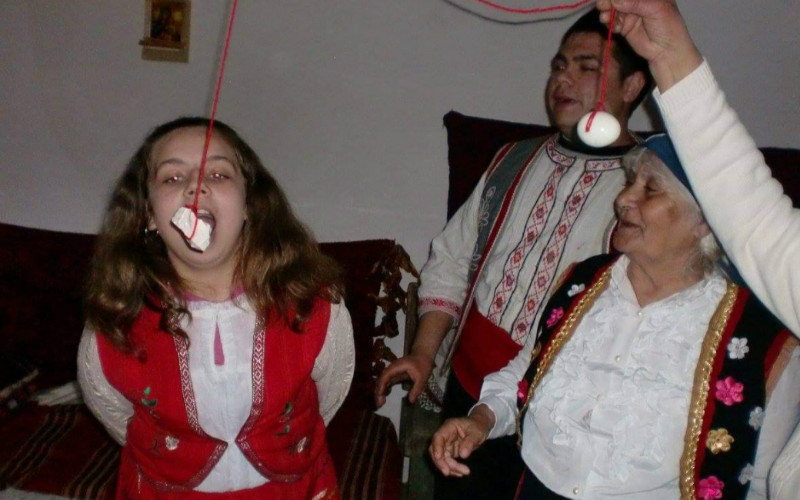
Boiled egg or Bulgarian (halva) dessert is tied by a thread. Children try to catch it with their mouths only, as whoever catches it is said to stay healthy throughout the year.
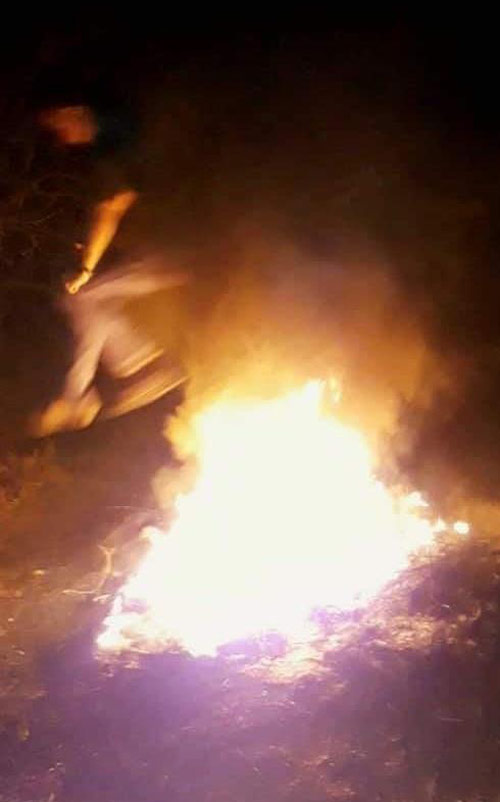
In traditional games, Koreans played yutnori (four-stick board game) during Chuseok. Every part of the game -- the sticks, the board and the action -- represent the sequence of cereal sowing and cultivation. The game is similar to the Bulgarian game "Don't Get Angry, Man." Another Bulgarian game, "Jump Over the Fire," has people lighting big fires every year and jumping over them to wish for good health and fertility in fall.
Bulgarian girls wear white dresses and walk through the fire while singing and dancing. They do this every year on Sirni Zagovezni to be healthy and happy.
In traditional clothing, Koreans during Chuseok wear Hanbok, a costume made from silk in various and beautiful colors. The best cloth is used for every holiday and season. Bulgarians, meanwhile, wear traditional clothes on Sirni Zagovezni but men sometimes wear kukeri costumes, or clothing so heavy that only men can wear them.
Despite the considerable distance between the two countries, both have a common basis when observing traditions and holidays: a sense of showing respect to ancestors. Both holidays teach the peoples of both nations to honor their ancestors and their parents and toil. These differences make both Koreans and Bulgarians special.
chaey0726@korea.kr
*This article is written by a Korea.net Honorary Reporter. Our group of Honorary Reporters are from all around the world, and they share with Korea.net their love and passion for all things Korean.