- 한국어
- English
- 日本語
- 中文
- العربية
- Español
- Français
- Deutsch
- Pусский
- Tiếng Việt
- Indonesian
by Honorary Reporter Anahi Ollin and Nerea Ramirez from Mexico
Photo by= Chang Sung Un
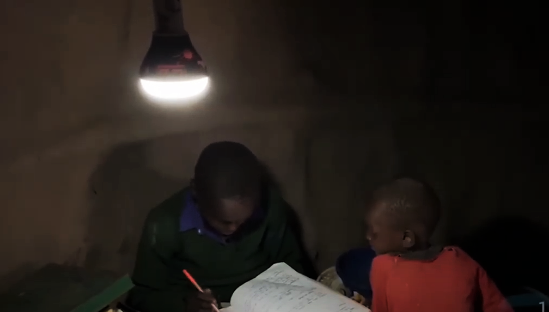
Chang Sung Un traveled from Korea to Africa with her project Solar Cow, an innovative solution to mitigate the problem of child labor. This form of social entrepreneurship has given hope to children by substituting work for education and employing sustainable energy.
2018 saw the first solar cow installed in Kenya, and the project has since received a slew of awards.
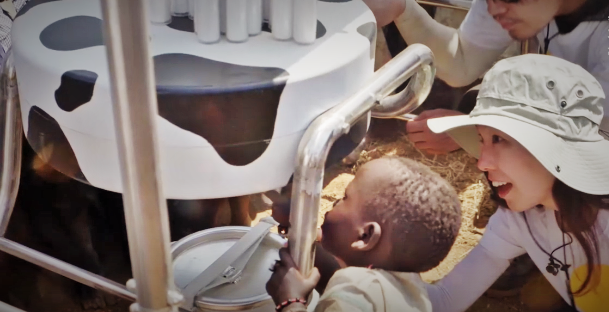
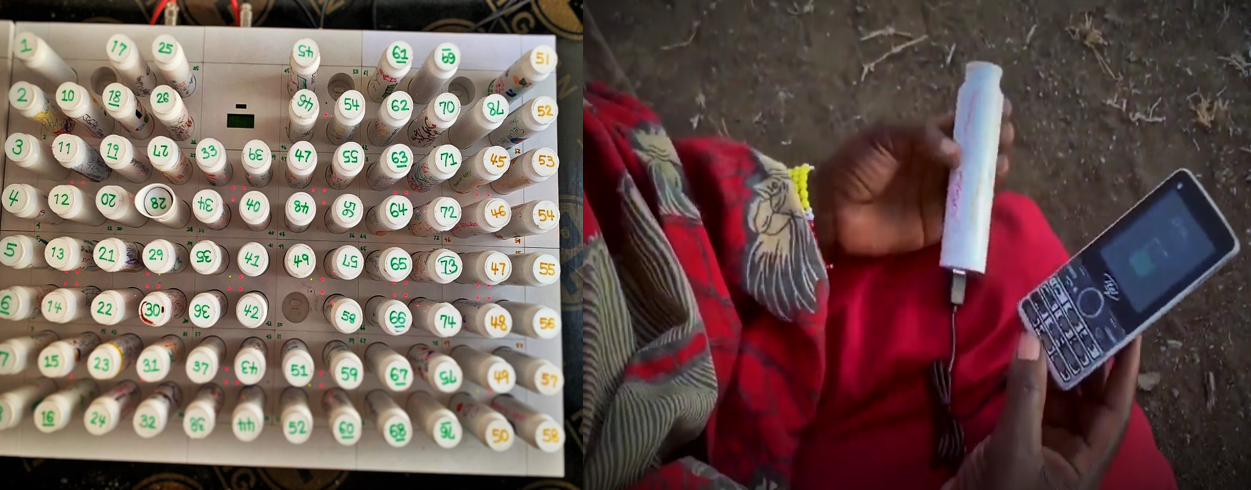
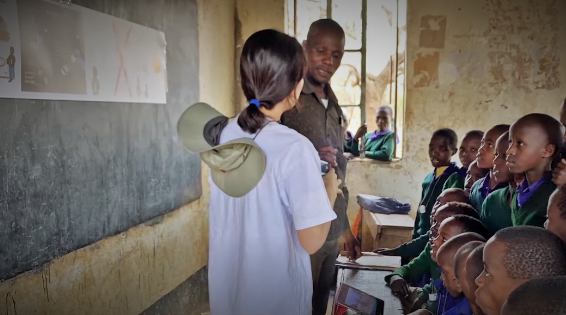
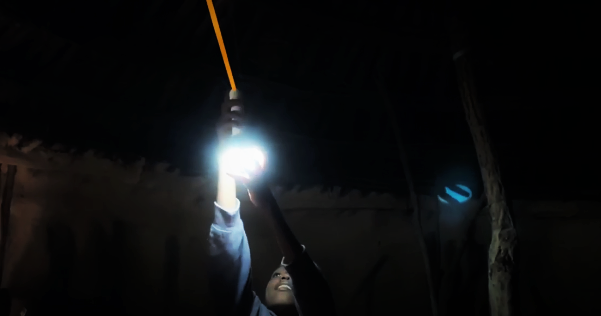
The initiative sends children to school rather than work in exchange for energy. True to its name, the cow-shaped solar power bank is installed at schools where each student is given a battery with a code. So while students study, their batteries are charged and taken home at the end of the day. A single charge generates six to ten hours of power.
Chang is the inspirational impetus and leader of this project. A design major at the Art Institute of Chicago, she knows well the difficulty of being an entrepreneur as well as the importance of education for children, and thus sought to leave a mark. As the founder and CEO of the Korean solar energy company Yolk, she told more about herself and the project in this interview.
She and her project allowed free access to electricity and education in developing countries such as Kenya or Tanzania, where people in rural areas travel up to four hours to charge a cell phone and children work instead of study to help their families to earn income.
Concept
Chang knew of initiatives to eradicate child labor like financial support for families so that their children could go to school. "But budget limitations are a big problem, so the solution had to be sustainable and with a broader scope. By giving money to parents, you can help a limited number of children, but it was necessary to find what would reach more people and be self-sustaining. This is how the idea of using infinite energy to solve the problem came up," she said.
Why Africa and not Korea?
"Since the fundamental part of the solution was distributing energy, I thought we should be in a place without electricity. So the first cow was installed in Kenya but due to remoteness, it was difficult to handle at the beginning," she said.
"A person might face problems but needs the courage to solve them, especially when the problems can impact other people. When a group of people who share this feeling come together, I believe anything can be achieved."
What advice do you have to a child you've inspired who wants to go to college or start a business?
"To imagine that someone can be inspired (by me) to go to college or be an entrepreneur would be a great honor for me. I even think that they definitely can do much better than me. This is why I want to tell them everything is possible, any initiative can generate great change and social entrepreneurship must be replicated for the good of all," Chang said.
"Though the issues of education and child labor are not as well known compared to problems such as climate change, we inhabit the same planet. So no matter where we are, some people need our support and that can generate great change."
Chang's sustainable and low-cost project requires investment in the installation phase, and the rest comes from the sun. Yolk is planning a crowdfunding campaign to recruit more people and further assist beneficiaries of education in exchange for energy while reducing child labor.
enny0611@korea.kr
*This article is written by a Korea.net Honorary Reporter. Our group of Honorary Reporters are from all around the world, and they share with Korea.net their love and passion for all things Korean.