- 한국어
- English
- 日本語
- 中文
- العربية
- Español
- Français
- Deutsch
- Pусский
- Tiếng Việt
- Indonesian
By Honorary Reporter Zuzanna Klonowska from Poland
Photos = Lee Mi-hyun
The country's traditional alcoholic beverages are gaining global recognition.
From Nov. 28 to Dec. 1, the Korean Culture Center in Poland invited Julia Mellor, the Australian founder of the Sool Company in Seoul, to host "Sool in Your Soul." This four-day event featured tasting sessions and a lecture on the varieties and production methods of sool, a term that in general means "alcohol" in Korean but is increasingly referring to the nation's traditional liquor.
Around 450 registered participants attended the event.
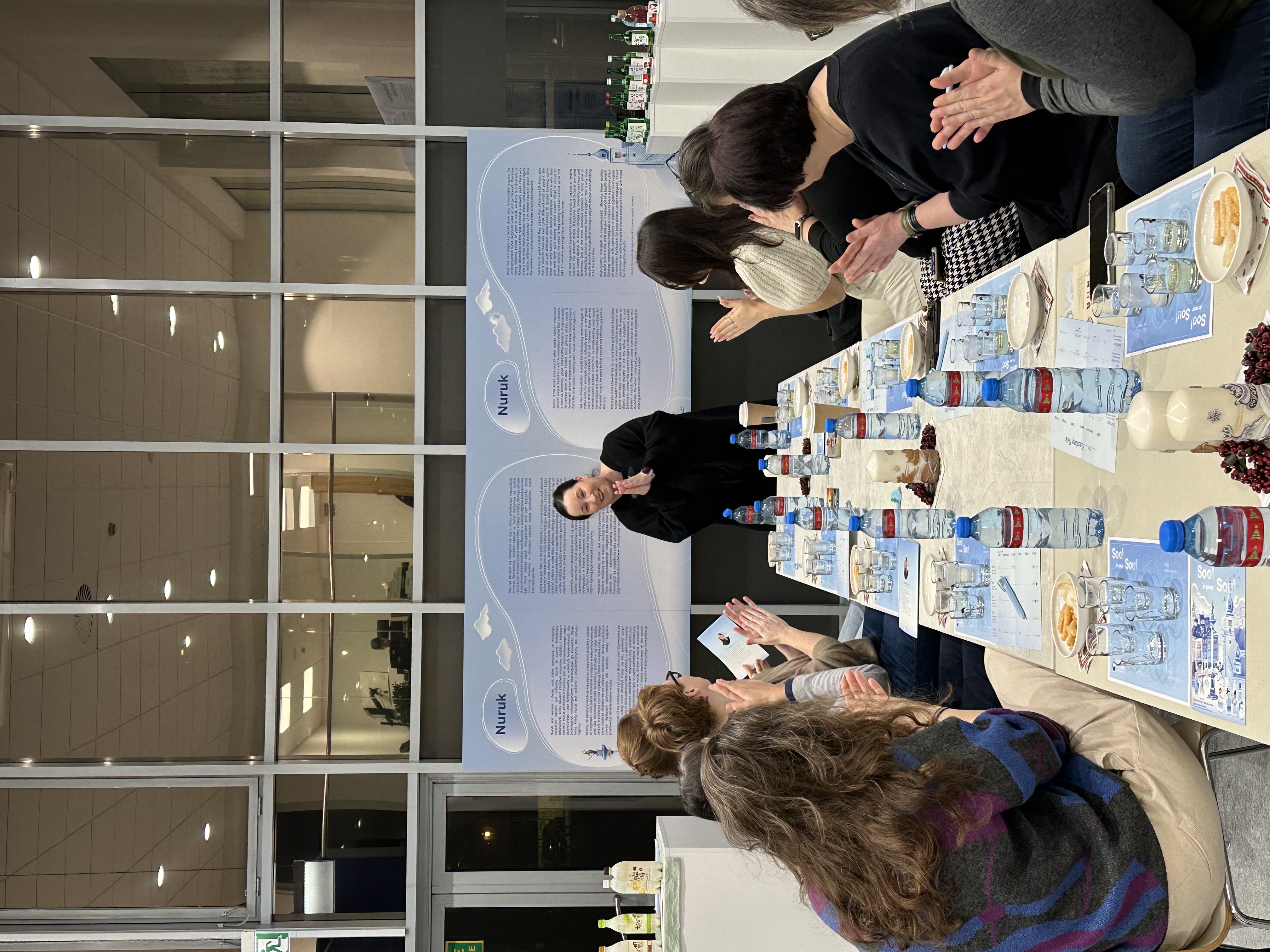
Sool Company CEO Julia Mellor leads the workshop.
Mellor is a sool specialist with extensive training in traditional brewing, holding qualifications from prestigious institutions such as the Korean Traditional Liquor Institute and Korean Traditional Homebrewing Institute.
Her company was the first to embrace "sool" as a comprehensive term for traditional Korean alcohol. Dedicated to preserving and promoting sool worldwide, the company strives to spread Korea's alcohol heritage to global audiences.
As part of her mission, she visited Poland for the first time to deliver a lecture tailored to a Polish audience.
Participants sampled four sool varieties: takju (cloudy alcoholic drink); cheongju, or clear traditional liquor made with herbal ingredients; gwahaju, a clear liquor mixed with a bit of soju; and soju (clear liquor). During the tasting sessions, they evaluated each drink's appearance, aroma, taste and finish and learned that sool's three essential ingredients are rice, water and nuruk, a natural fermentation starter.
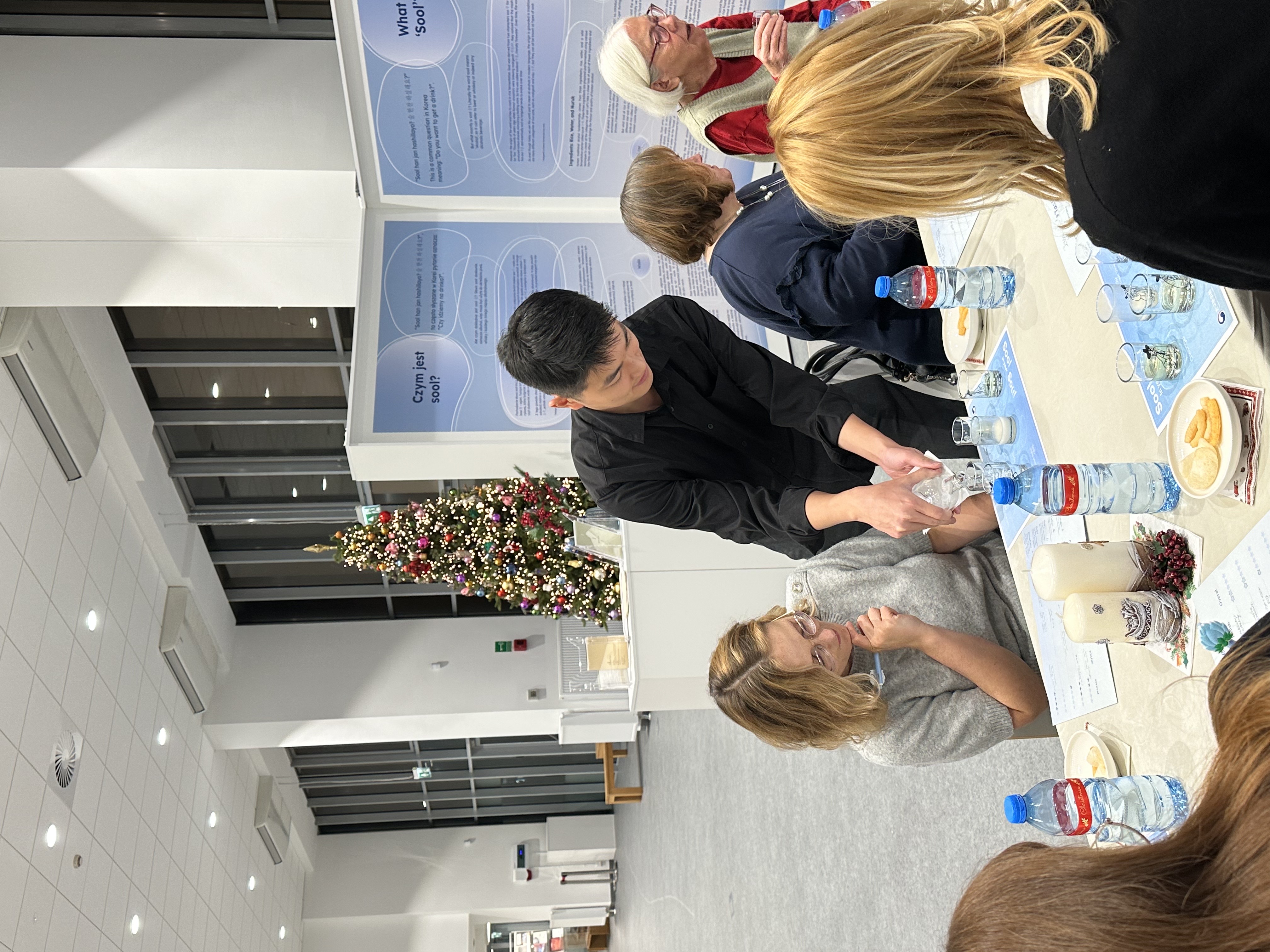
Participants see a demonstration at the workshop.
The most popular drink at the event was gwahaju. Its sweet taste was especially popular among female members. The drink is rare, with only a few breweries producing it due to its high production cost and time requirements.
No. 2 was takju, a sediment-rich rice wine less familiar to Poles. While many are familiar with makgeolli (milky rice wine), takju typically has higher alcohol content and features bold and rich flavors, making it best sipped and savored slowly.
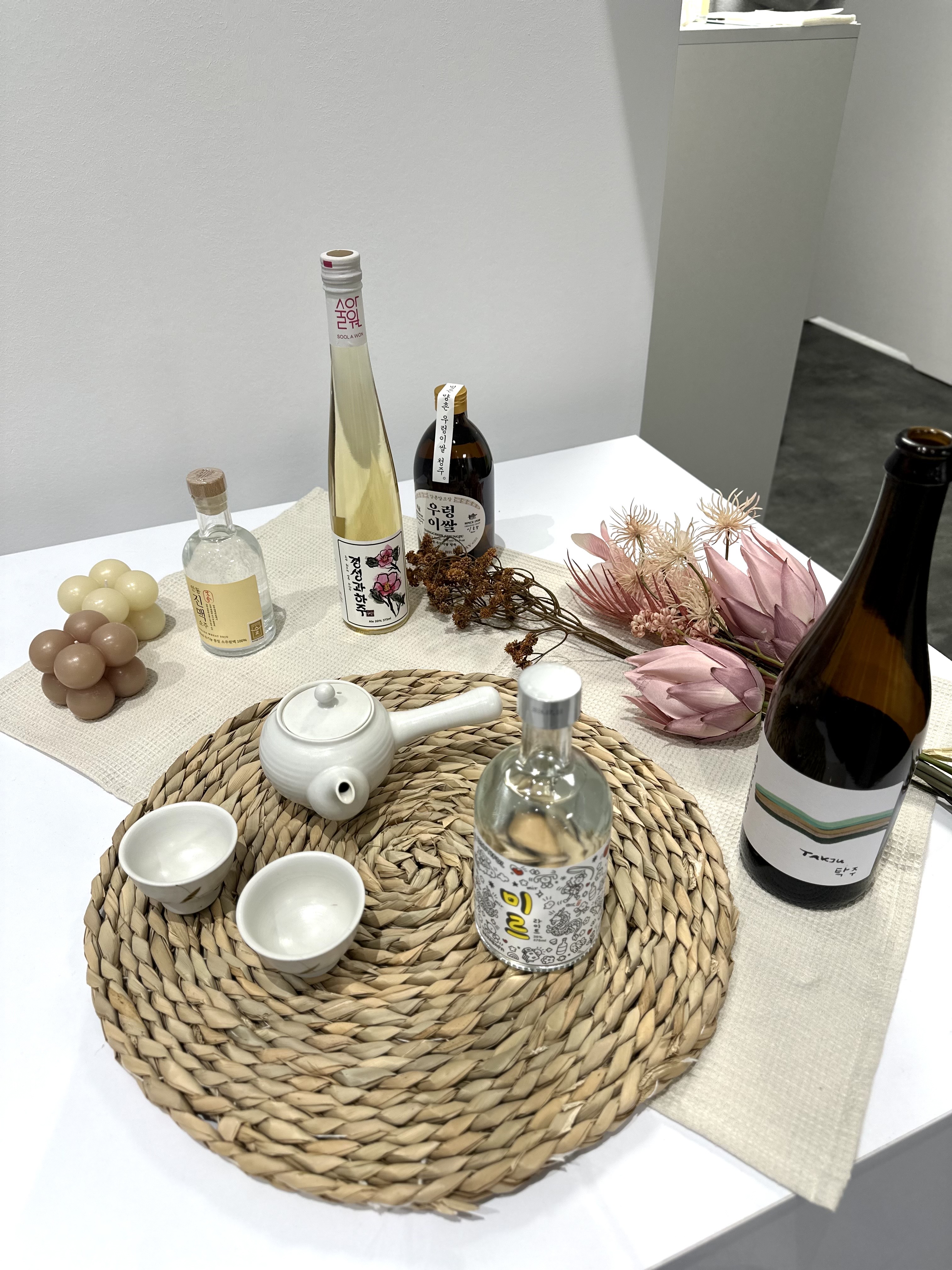
Alcoholic drinks prepared for event
Based on the interest shown at the event, Poles are growing more curious about other aspects of Korean culture beyond K-pop and K-dramas. This could lead to heightened opportunity for bilateral cultural exchange.
msjeon22@korea.kr
*This article is written by a Korea.net Honorary Reporter. Our group of Honorary Reporters are from all around the world, and they share with Korea.net their love and passion for all things Korean.