- 한국어
- English
- 日本語
- 中文
- العربية
- Español
- Français
- Deutsch
- Pусский
- Tiếng Việt
- Indonesian
By Honorary Reporter Maria Zubkova from Ukraine
Photos = Maria Zubkova
The Czech capital of Prague from Dec. 4-8 hosted the Asian Film Festival at the theater Bio Oko under the theme "Twists and Returns," featuring contemporary works from Asia on themes such as memory, pressure, repetition and return.
Organized by FilmAsia since 2005, the event is a fixture in the Prague cultural scene. This year's edition emphasized dialogue between films, highlighting how their meanings emerge through juxtaposition rather than national categories.
Speaking at the opening ceremony were FilmAsia founder Karla Stojakova and Wong Man Chung, director of the Hong Kong Economic and Trade Office in Berlin, who emphasized the festival's role as a space for dialogue and long-term cultural exchange.
The opening film was "The Last Dance" (Hong Kong), a comedy drama.
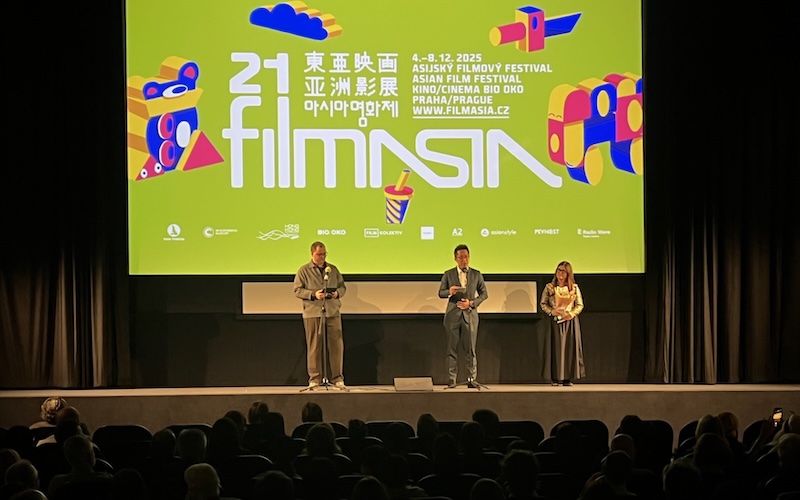
FilmAsia founder Karla Stojakova (right) and Wong Man Chung (center), director of the Hong Kong Economic and Trade Office in Berlin, on Dec. 4 speak at the festival's opening ceremony in Prague.
The three thematic sections — Life After Life, Survival Mode and Under Pressure — featured works from Hong Kong, Korea, Japan, Thailand and Taiwan. Three Korean films stood out to me.
"My Daughter Is a Zombie" (2025) by director Pil Gam Seong, an entry in the first category, reimagined the popular genre with emotional restraint and quiet absurdity. Adapted from a popular webtoon, the film focused less on spectacle and more on care, fear and human connection in uncertain times.
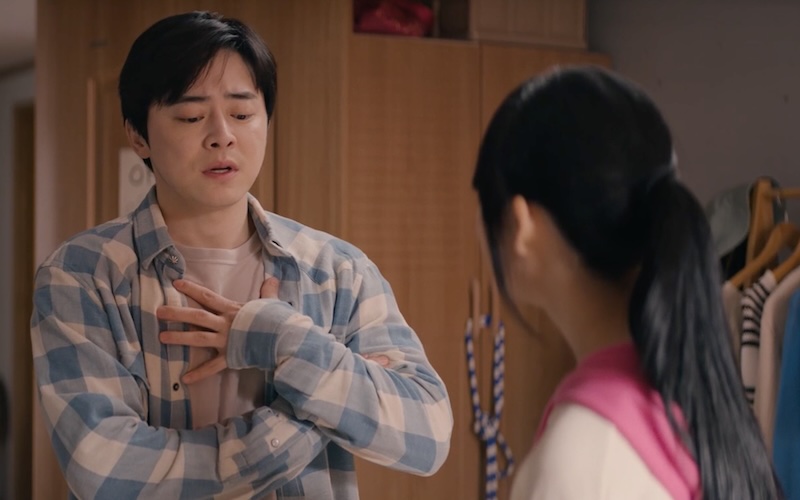
Scene from "My Daughter Is a Zombie"
Two films by Park Chan-wook appeared in different sections, allowing engagement with his work from multiple angles.
In Survival Mode was "Oldboy," which reaffirmed why Park's films resonate internationally years after their release. Its examination of confinement, memory and revenge remains disturbing not through excess, but precision and moral ambiguity.
Park's latest work "No Other Choice" was also screened in Under Pressure. The director's sharp depiction of social pressure reflects themes increasingly central to contemporary Korean cinema.
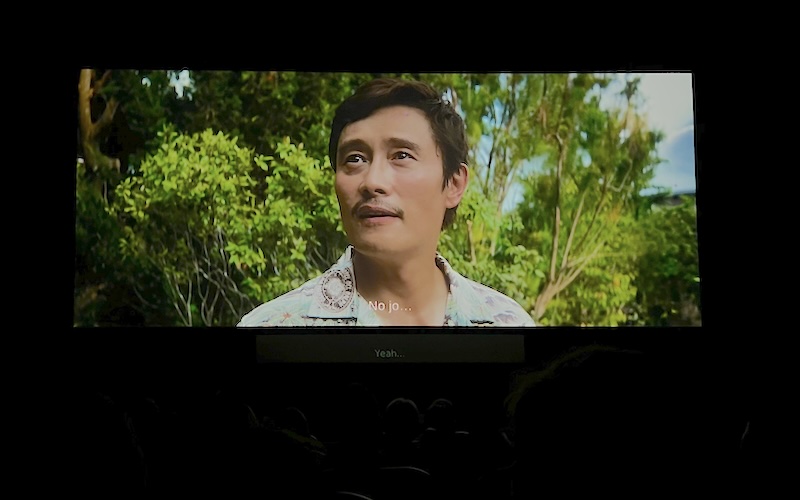
Scene from "No Other Choice"
Both of Park's films were screened on the same day, offering four-plus hours of demanding but rewarding cinema.
Rather than novelty, I felt that this year's FilmAsia emphasized the notion of "return," as in return to films that keep resonating, directors whose cinematic language remains relevant and questions that resist simple answers.
jcy0531@korea.kr
*This article was written by a Korea.net Honorary Reporter. Our group of Honorary Reporters are from all around the world, and they share with Korea.net their love and passion for all things Korean.