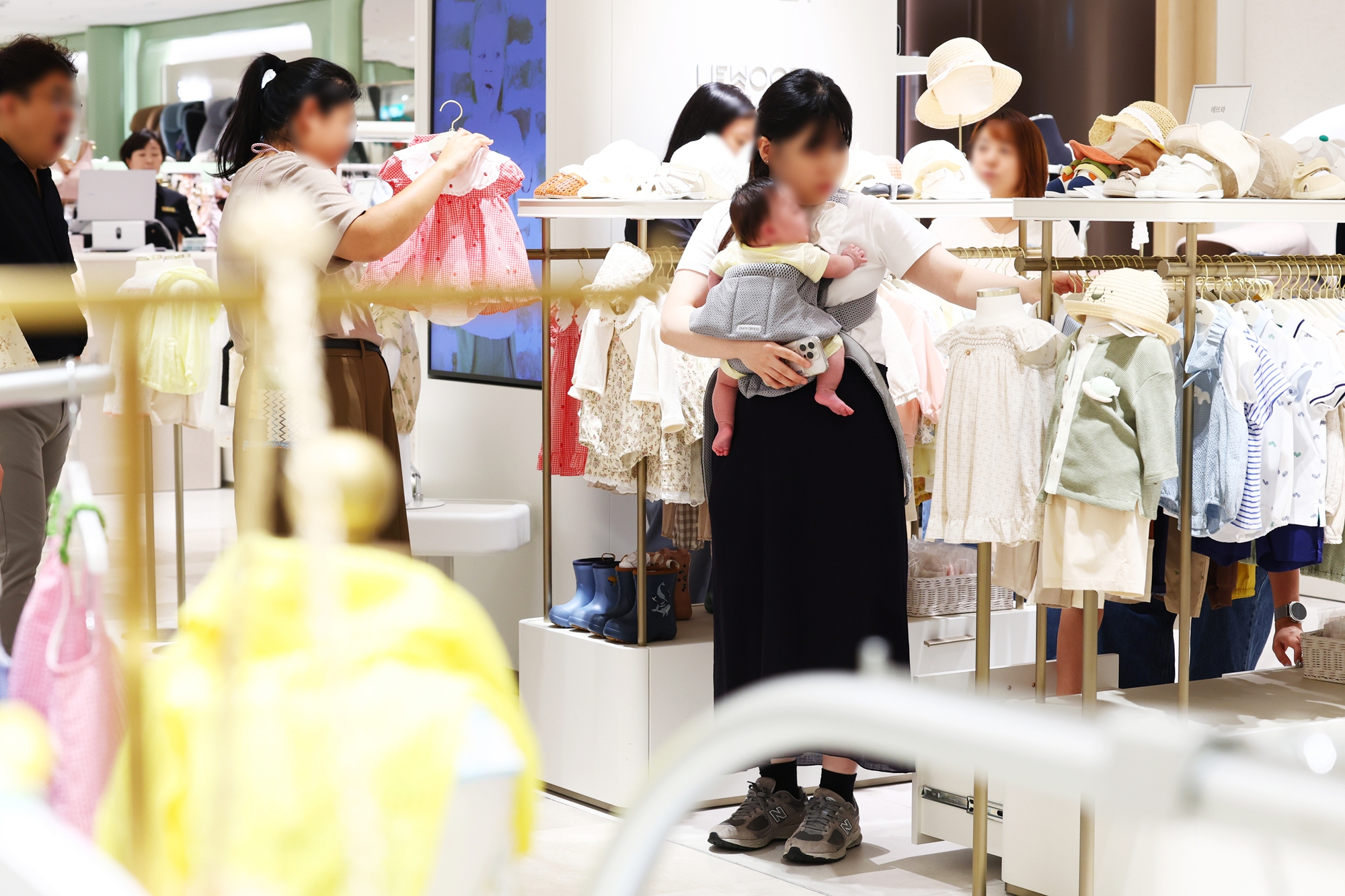
The Ministry of Data and Statistics on Aug. 26 said the number of births last year reached 254,341, posting growth for the second consecutive year. Shown is a children's goods section at a department store in Seoul. (Yonhap News)
By Xu Aiying
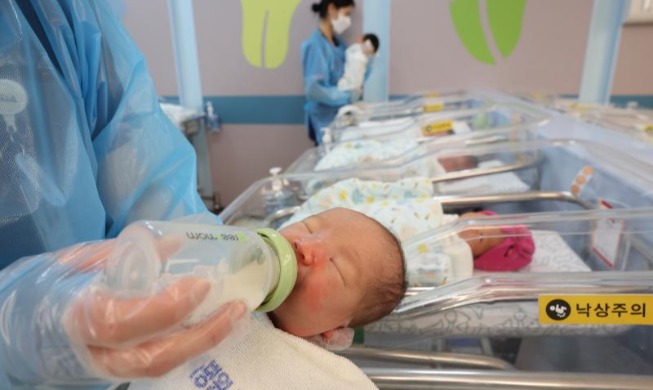
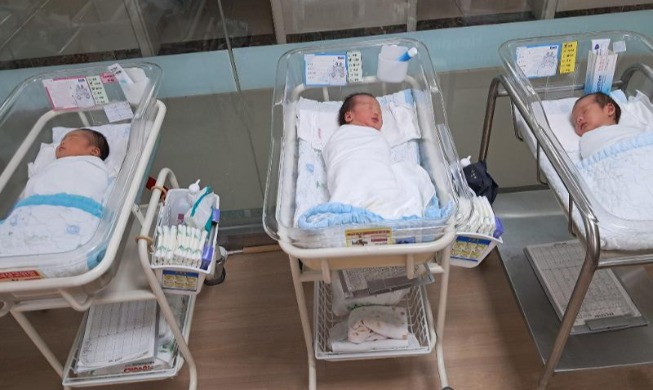
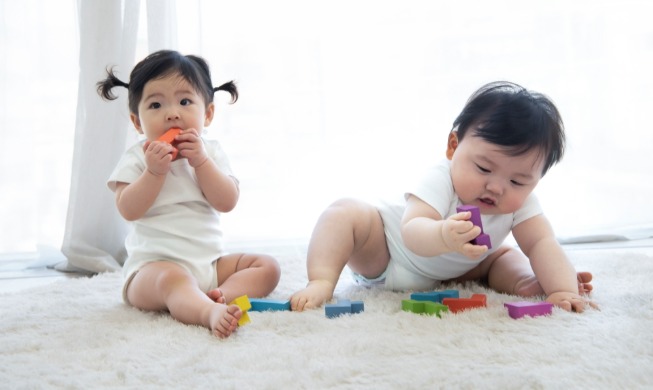
The number of births last year rose over 16,000 to post the second consecutive year of growth and the largest growth rate in 15 years.
The Ministry of Data and Statistics on Aug. 26 said this in releasing last year's final birth data. The number of births hit 254,341, up 6.7% (16,024) from 2024 with a daily average of 697, an increase of 46.
The total fertility rate, or the average number of children a woman of childbearing age is expected to have over her lifetime, was 0.80, returning to this range for the first time in four years.
The number of births from 2015-23 had seen a decline but rebounded with growth of 3.6% in 2024. The figure continued its rebound last year.
The age-specific fertility rate, or the number of births per 1,000 women in each age group, was highest among those in their early 30s (73.1), followed by those in their late 30s (52.1) and late 20s (21.2).
The birth rate among women in their late 30s rose by six (13.1%) from 2024, the steepest hike among all age groups. The figure rose across all age groups starting from the early 20s and for those in their early 30s by 2.8 (4%), 0.8 for those in their early 40s (10.6%) and 0.5 for those in their late 20s (2.6%).
xuaiy@korea.kr