“Public design” is not something that can be done solely by one individual. It involves many individuals and entities from across society, working together. The concept aims at dealing with social problems with creative design and ideas, and at making public spaces more attractive and more pleasant.
The Ministry of Culture, Sports and Tourism ran a contest to collect cases or ideas where public design helped produce a more inviting environment. The contest was carried out in two categories: projects and academic research. The ministry announced two grand prize winners on Nov. 9: the Dongdaemun Rooftop Paradise (동대문옥상낙원) in the projects category, and "10 Rules to Make Safe Alleys in Suwon" won in the academic research category.
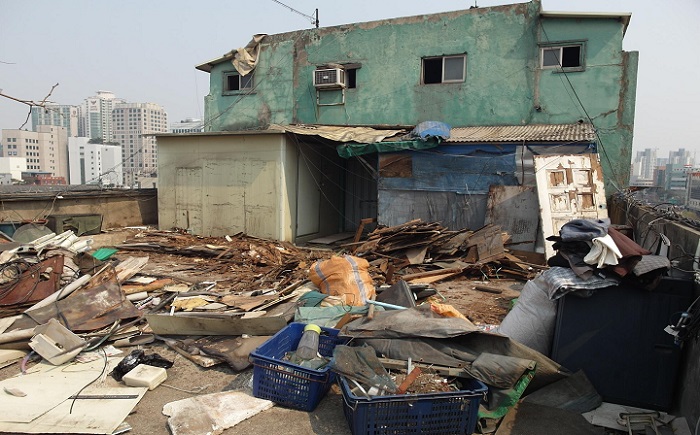
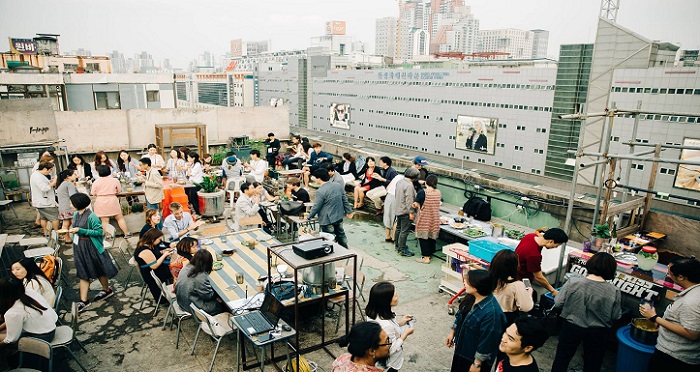
The Dongdaemun Rooftop Paradise project turned a long-abandoned rooftop of a shoe shopping arcade in Dongdaemun, Jongno-gu, Seoul, cluttered with litter, into a workshop for artists. After about 18 tons of filthy waste was removed, the rooftop was transformed into a place where artists and experts involved in culture and the arts in the community could work together. This project gained the most points in recognition of the way in which the project met the two most important elements that the concept of public design aims for: participation and communication.
Ethan Kent, an expert in public design from the U.S., called the project “a pioneering model for social innovation using space design.”
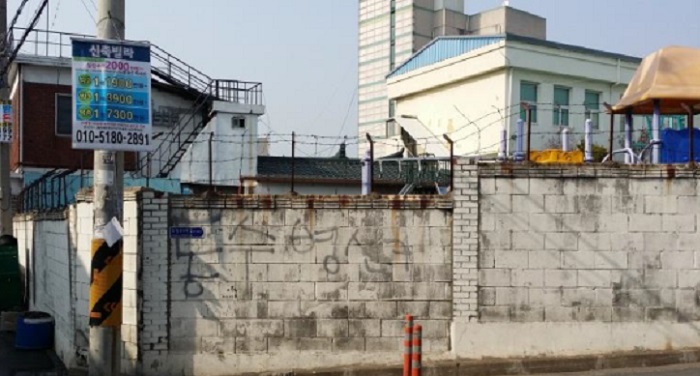
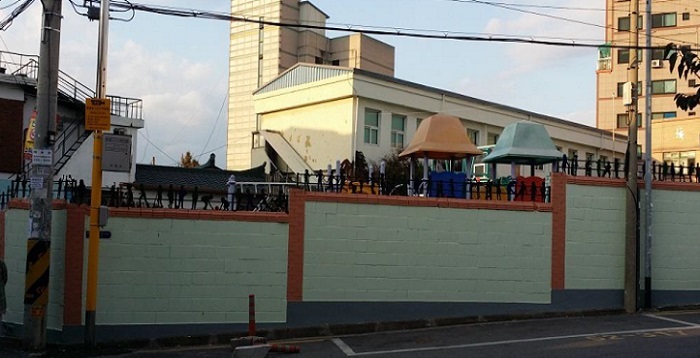
Another winner in the academic research category was carried out by the urban design division at Suwon City Hall in Gyeonggi-do Province. The research studied and analyzed harmful risk factors that existed in unclean public spaces in Suwon, and outlined a set of 10 practical principles to improve the urban environment. The 10 principles suggest a concrete, proper alley design that prioritized safety, such as “lighting up,” “cleaning out” and “making room in confined spaces.”
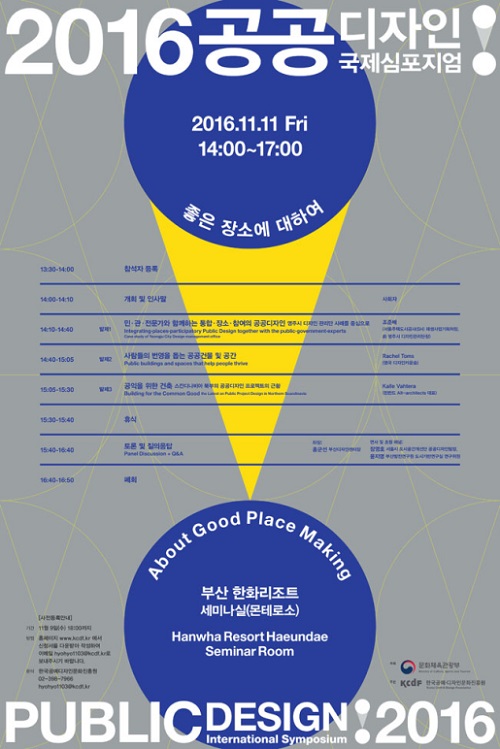
An international symposium that focuses on public design is set to be held on Nov. 11 in Busan. The 2016 Public Design International Symposium will bring together experts in this field from around the world to talk about “good spaces for the public,” which is also the theme of the symposium.
The forum will have in attendance President Fred Kent of the Project for Public Spaces from New York, Rachel Toms from the U.K. who will represent the Design Council, and Kalle Vahtera from the Finland-based Alt Architects. They will give lectures under the themes of “Creating a Future City,” “Public Buildings and Spaces that Help People to Prosper” and “Architecture for Public Interest,” respectively.
By Sohn JiAe
Korea.net Staff Writer
Photos: Ministry of Culture, Sports and Tourism
jiae5853@korea.kr
The Ministry of Culture, Sports and Tourism ran a contest to collect cases or ideas where public design helped produce a more inviting environment. The contest was carried out in two categories: projects and academic research. The ministry announced two grand prize winners on Nov. 9: the Dongdaemun Rooftop Paradise (동대문옥상낙원) in the projects category, and "10 Rules to Make Safe Alleys in Suwon" won in the academic research category.
A project to turn filthy, abandoned rooftop, with waste from a footwear company, in Dongdaemun into a workshop for artists, won the Public Design Contest run by the Ministry of Culture, Sports and Tourism.
The Dongdaemun Rooftop Paradise project turned a long-abandoned rooftop of a shoe shopping arcade in Dongdaemun, Jongno-gu, Seoul, cluttered with litter, into a workshop for artists. After about 18 tons of filthy waste was removed, the rooftop was transformed into a place where artists and experts involved in culture and the arts in the community could work together. This project gained the most points in recognition of the way in which the project met the two most important elements that the concept of public design aims for: participation and communication.
Ethan Kent, an expert in public design from the U.S., called the project “a pioneering model for social innovation using space design.”
The academic research report ‘10 Rules to Make Safe Alleys in Suwon,’ which presented guidelines as to how to make a squalid alley clean and safe, won the Public Design Contest hosted by the Ministry of Culture, Sports and Tourism.
Another winner in the academic research category was carried out by the urban design division at Suwon City Hall in Gyeonggi-do Province. The research studied and analyzed harmful risk factors that existed in unclean public spaces in Suwon, and outlined a set of 10 practical principles to improve the urban environment. The 10 principles suggest a concrete, proper alley design that prioritized safety, such as “lighting up,” “cleaning out” and “making room in confined spaces.”
An international symposium that focuses on public design is set to be held on Nov. 11 in Busan. The 2016 Public Design International Symposium will bring together experts in this field from around the world to talk about “good spaces for the public,” which is also the theme of the symposium.
The forum will have in attendance President Fred Kent of the Project for Public Spaces from New York, Rachel Toms from the U.K. who will represent the Design Council, and Kalle Vahtera from the Finland-based Alt Architects. They will give lectures under the themes of “Creating a Future City,” “Public Buildings and Spaces that Help People to Prosper” and “Architecture for Public Interest,” respectively.
The 2016 Public Design International Symposium takes place on Nov. 11 in Busan under the theme of ‘How to Make Good Places for the Public.’
By Sohn JiAe
Korea.net Staff Writer
Photos: Ministry of Culture, Sports and Tourism
jiae5853@korea.kr