People help clean up a beach by collecting plastic waste. (iClickArt) Unauthorized reproduction and redistribution of this image is prohibited under copyright law.
By Kim Seon Ah
New measures seek to reduce the use of plastic and shift toward a circular economy focused on recycled materials.
The Ministry of Climate, Energy and Environment on April 28 said Minister Kim Sungwhan reported this plan to a Cabinet meeting that day. The initiative is one of President Lee Jae Myung's key agendas to build a sustainable industrial structure amid growing volatility in the supply of oil and naphtha due to the war in the Middle East.
The goal is to slash the use of naphtha-based virgin plastics by over 30% by 2030 from projected waste plastic levels. The plan is to cut down on the use of unnecessary plastics at the source and switch to a structure in which recycled materials replace virgin plastics.
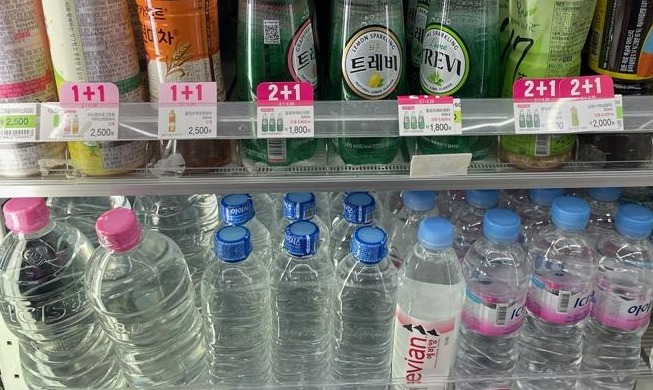
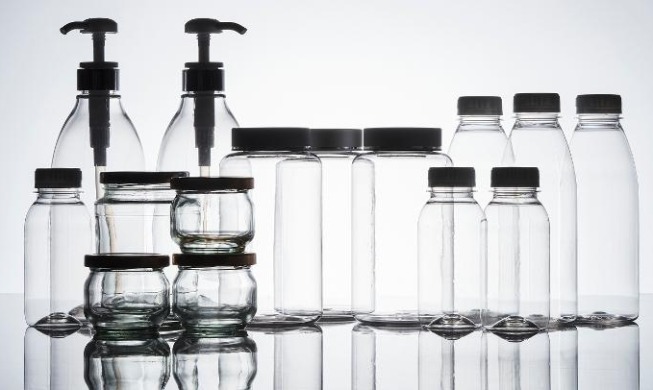
The lower use of plastic will start at the production and distribution stages. The reusability and recyclability of cosmetic containers and plastic bags will be assessed to stimulate a shift toward alternative materials such as paper.
The reduction in the use of delivery containers and parcel packaging will be done by making them lighter and prohibiting excessive packaging. Packaging materials deemed difficult to recycle will be banned from the market, and the adoption of a domestic eco-design system will ensure recyclability from the product design stage.
The foundation of the recycling industry will also see a boost. The mandatory use of recycled materials in PET bottles will be raised to 30% by 2030.
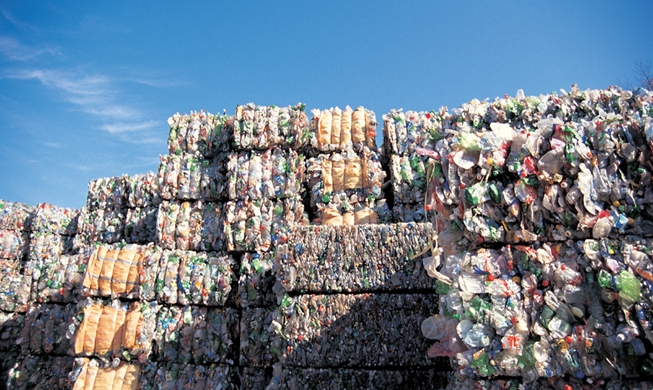
Targets will be set for the use of recycled materials in food and cosmetic containers. Pre-processing facilities for PAYT (pay as you throw) garbage bags and sorting equipment through artificial intelligence will be expanded to include waste plastics previously incinerated in the recycling system.
Technology to convert waste vinyl and other materials into recycled naphtha through pyrolysis is being promoted.
Measures will also seek to stimulate the recycled materials market like a certification system for the usage ratios and quality of recycled materials to create stable demand, as well as more public procurement. The launch of special regulatory exemption zones and sandboxes enabling circular use of materials at industrial complexes will support the growth of related industries.
The reduction of single-use plastics will come in stages. The use of reusable containers will be expanded centered on multipurpose facilities such as funeral homes, public facilities and sports stadiums. Initiatives such as discounts for customers who bring cups to cafes will seek to encourage consumer participation.
sofiakim218@korea.kr