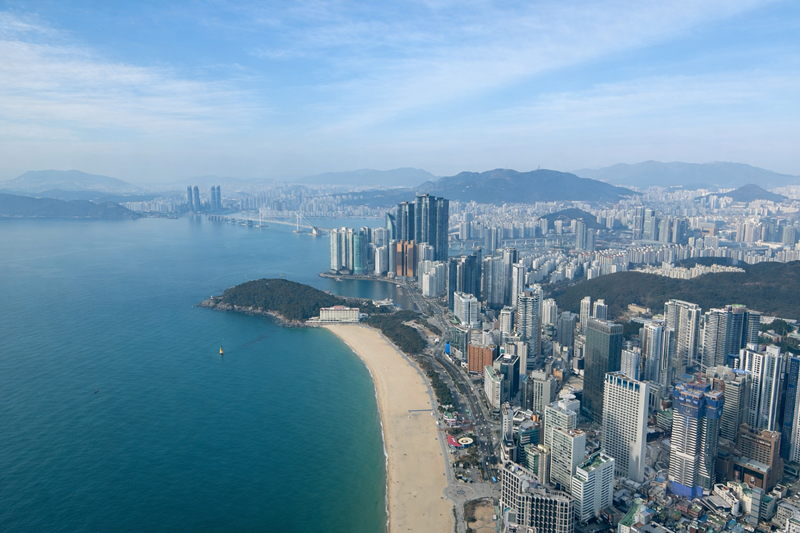
This panoramic view of Haeundae Beach is from the skyscraper Busan X The Sky, the country's second-tallest building, in Busan's Haeundae-gu District. (Margareth Theresia)
By Margareth Theresia
Busan in July will host the 48th session of the UNESCO World Heritage Committee, the first time for Korea to host the event since it joined the World Heritage Convention 38 years ago.
This meeting will put the country at the center of global discussions on protection of world cultural heritage and international cooperation alongside 196 UNESCO member countries. Korea's role as committee chair is also expected to help drive global governance of such heritage.
The session will run from July 19-29 at BEXCO (Busan Exhibition and Convention Center) in the port city's Haeundae-gu District. Forums and side events from July 12-23 before the plenary session will stimulate exchanges between experts and people from around the world.
The host city is steeped in the rich history of the Korean Peninsula from the prehistoric era to present day. The peaceful diplomacy by the Joseon Tongsinsa, a group of envoys to Japan that lasted some 400 years, is the foundation for the global platform for discussing the future value of world heritage site.
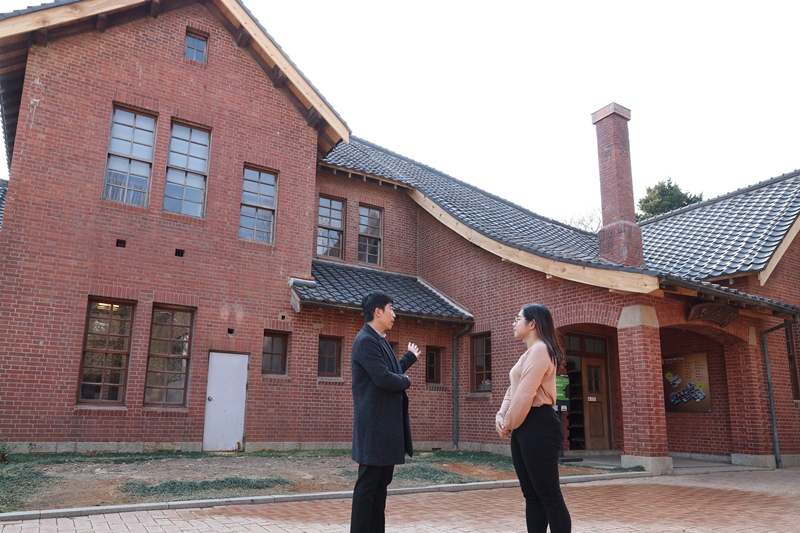
The Temporary Presidential Residence (Gyeongmudae), once the official home and office of the chief executive during the 1950-53 Korean War, in Busan's Seo-gu District is today the museum Provisional Capital Memorial Hall. (Lee Jeongwoo)
Busan has served as a pillar of national support at every critical juncture in modern Korean history. The government and its people fled south when the Korean War broke out on June 25, 1950, and the port city for 1,023 days was the nation's temporary capital.
During the war, Busan was the national center of operations through diverse functions spanning politics, diplomacy, economy, culture, education, health care and welfare. It was also a massive sanctuary for refugees, with the city's population of 300,000 ballooning to over a million due as a result.
The lack of living space forced refugees to seek temporary shelters around cattle barns and cemeteries. People gathered at Yeongdodaegyo Bridge daily to look for separated family members.
Over 70 years later, traces of that historical era stand out throughout Busan. The municipal government seeks World Heritage designation for a group 11 heritage sites dubbed the Busan Wartime Capital. The candidate places reflect the functions of government maintenance, international cooperation and refugee life during the Korean War.

The ceremony for lowering the United Nations (U.N.) flag is held at the United Nations Memorial Cemetery in Korea in Busan's Nam-gu District. This is the world body's lone official cemetery worldwide where U.N. soldiers killed in the Korean War are buried. (Lee Jeongwoo)
Given its rich history, Busan is a leading tourist attraction eyed by many around the world. The Korea Tourism Data Lab said 3.64 million foreign visitors went to the city last year, the first time for the annual figure to break three million.
The most popular tourist attractions include Haedong Yonggungsa Temple, the country's lone Buddhist temple built by a beach; BEXCO, a hub for hosting international events; Gwangalli Beach, the site of spectacular drone shows; and Songjeong Beach, which attracts surfers. The city's world-class infrastructure for MICE (meetings, incentives, conferences and exhibitions) plays a pivotal role in raising Busan's global competitiveness.
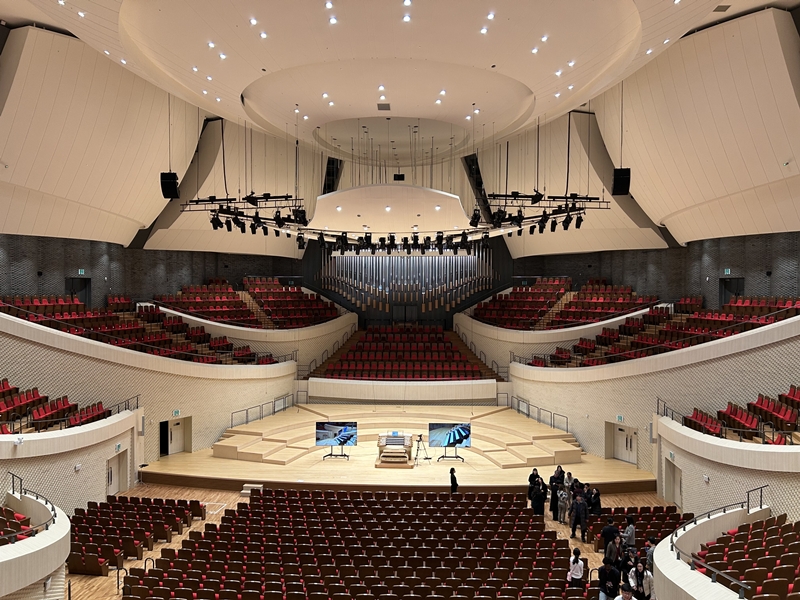
Busan Concert Hall, which opened in June last year, exemplifies the rapid expansion of the city's infrastructure for culture and arts. (Margareth Theresia)
![[World Heritage candidates] ① Busan: refugee hub of Korean War](/upload/content/image/2013b0a594b344268b6e4bca4795ad63_20260121105424.jpg)