- 한국어
- English
- 日本語
- 中文
- العربية
- Español
- Français
- Deutsch
- Pусский
- Tiếng Việt
- Indonesian
The results of a poll for the 100x100 Project to Discover Korea's Top Attractions, a joint program of the Ministry of Culture, Sports and Tourism and the Korea Tourism Organization, have been released on the initiative's official website (https://spot100x100.kr), which is linked to the Visit Korea homepage. This Korea.net series introduces 100 travel themes in eight sectors to highlight attractions recommended by the Korean public for foreign visitors.
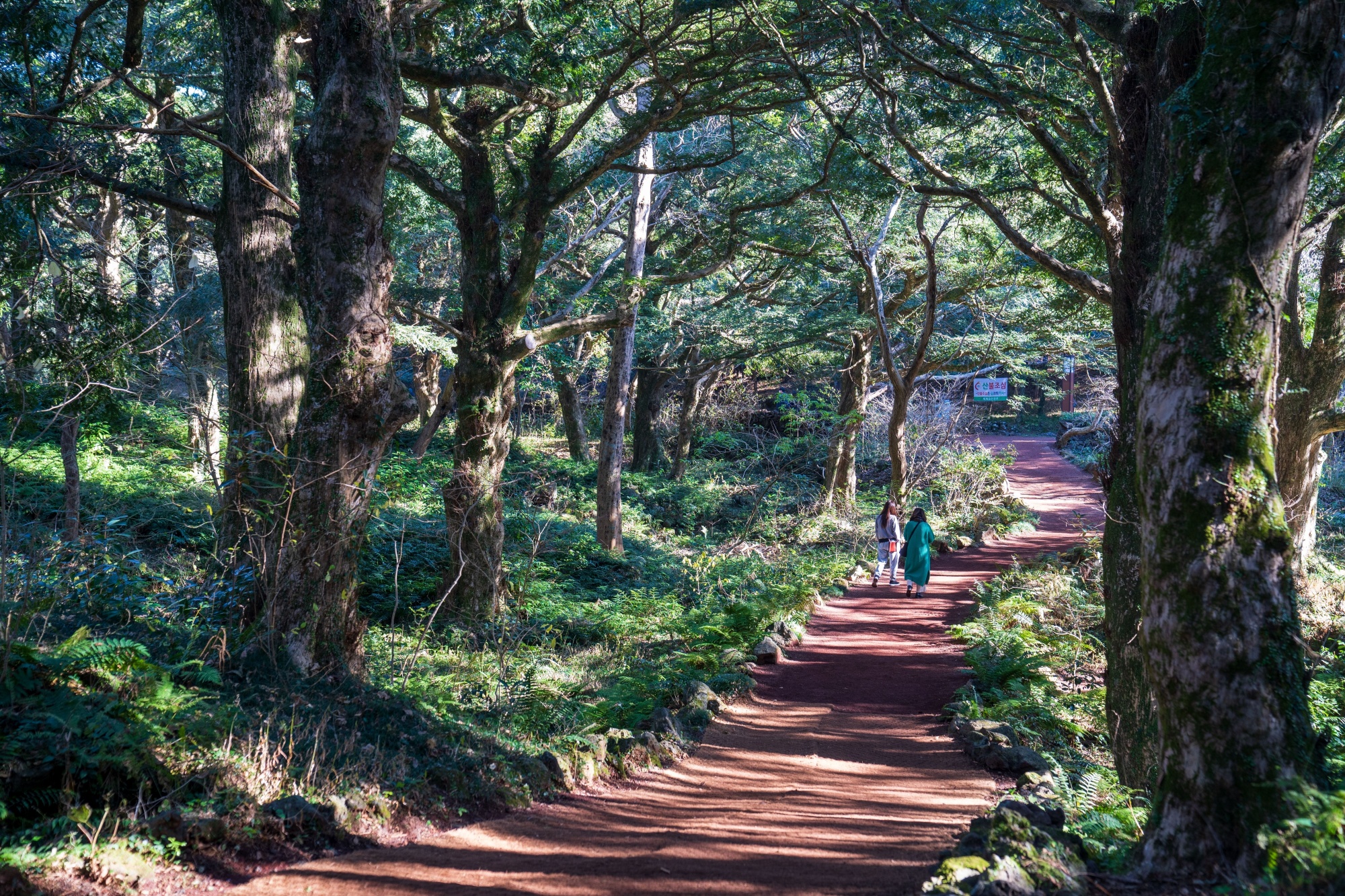
Bijarim Forest on Jeju Island received the most votes in the "phytoncide-rich therapeutic forests" category of the 100x100 Project to Discover Korea's Top Attractions. A forest trail of red volcanic scoria winds among centuries-old bijiarim (nutmeg yew) trees..
By Uyen Nguyen
Photos=Korea Tourism Organization
When the stress and pressure of daily life wear people down, they often seek an escape to nature. Simply getting away from the city, walking on a forest path and breathing in fresh air can be refreshing.
A forest offers a welcome respite to take such a pause.
This preference for natural getaways is also reflected in the "nature & ecology" category of the 100x100 Project to Discover Korea's Top Attractions, a list based on votes from 40,000 members of the Korean public. Under the theme "phytoncide-rich therapeutic forests," the section features destinations for relaxation and recharging of both body and mind through nature.
The following are three forests picked by Korea.net.
The most popular selection is Bijarim Forest, which is steeped in 1,000 years of history. Located in the village of Pyeongdaer-ri in the town of Gujwa-eup, Jeju City, Jeju Island, the forest covers about 448,000 square m and is home to around 2,800 bijarim (nutmeg yew) trees, each of which are 500 to 800 years old. Rare even by global standards, bijarim is designated a natural monument by the government.
The forest is in the Gotjawal region, which was formed by volcanic activity, and its uniqueness hits visitors immediately starting with its trails.
The trail is covered with reddish volcanic scoria, with old bijarim trees growing densely on both sides.
Walking on the trail beneath the lush green canopy, visitors can benefit from "forest bathing" while breathing in the phytoncides released by the trees.
Phytoncides are substances released by plants to protect themselves. Research is studying if they help reduce stress and promote mental calm.
Leisurely strolling through the forest while breathing in the fresh air is enough to alleviate physical and mental fatigue and restore energy.
To get there, take a cab or car for about an hour's drive from Jeju International Airport. The forest's gentle slopes make its trails great for a leisurely stroll or brisk walk.
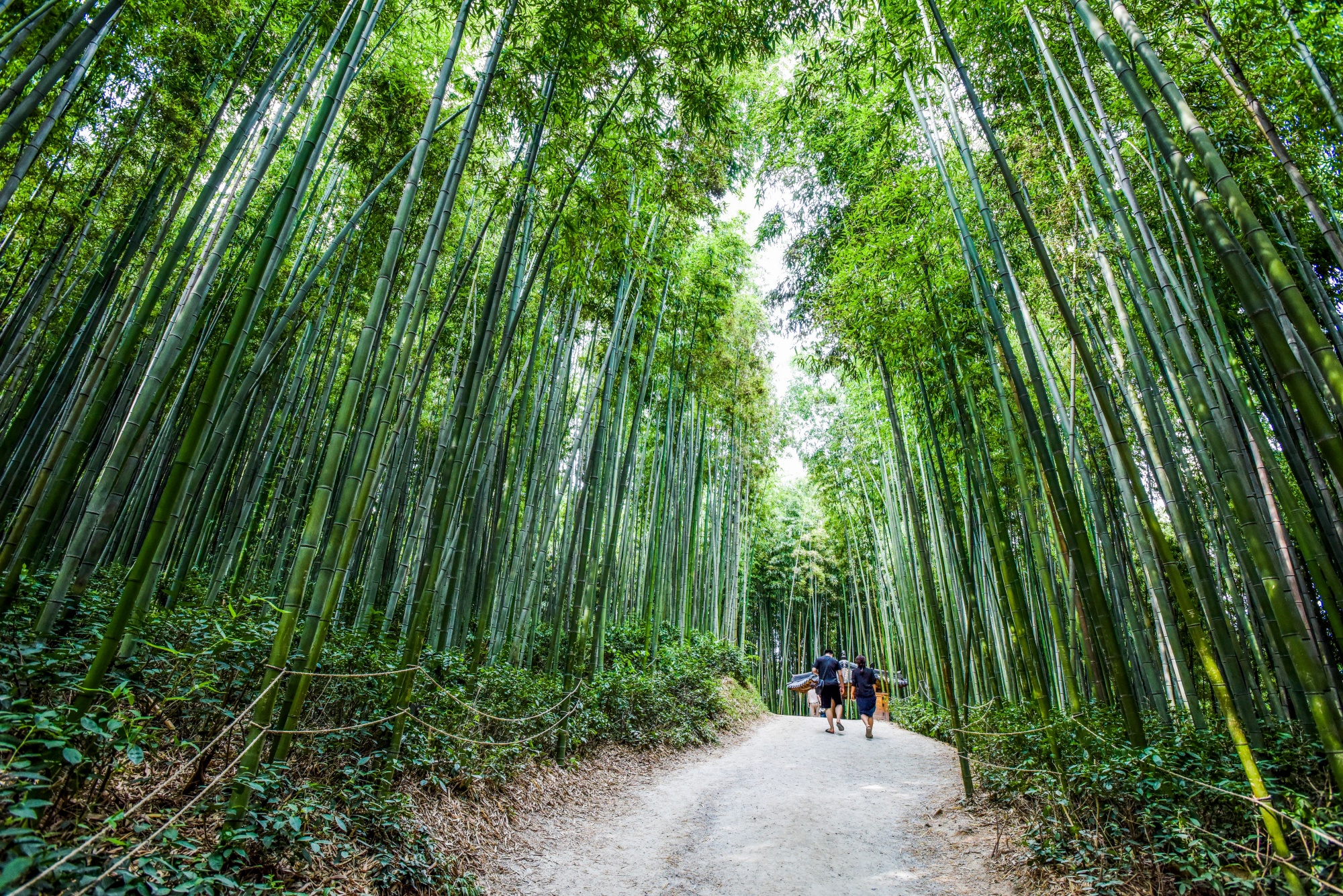
Towering bamboo trees form a green tunnel at Juknokwon (Bamboo Garden) in Damyang-gun County, Jeollanam-do Province.
The second destination is Juknokwon (Bamboo Garden) in Damyang-gun County, Jeollanam-do Province, which ranked seventh in overall votes across all categories.
Stepping into the forest is akin to entering a world of green. Bamboo stalks towering high overhead form a lush green tunnel that almost blocks out the sky.
Sunlight filters through the bamboo, while the gentle rustling of bamboo leaves is heard whenever the wind blows.
Covering about 310,000 square m, Junknokwon has eight walking trails each with an intriguing name like Scholar's Path, Childhood Friends' Path and Philosopher's Path. This place is great for leisurely walks in nature with family or friends.
In summer, the dense bamboo grove provides plenty of cool shade for a pleasant escape from the heat. As visitors stroll slowly among the bamboo stalks, the noise of everyday life gradually fades away.
Located in the center of the town of Damyang-eup, Juknokwon is accessible via bus No. 311 bound for Damyang-eup from Gwangju Bus Terminal. Get off at the Juknokwon bus stop.
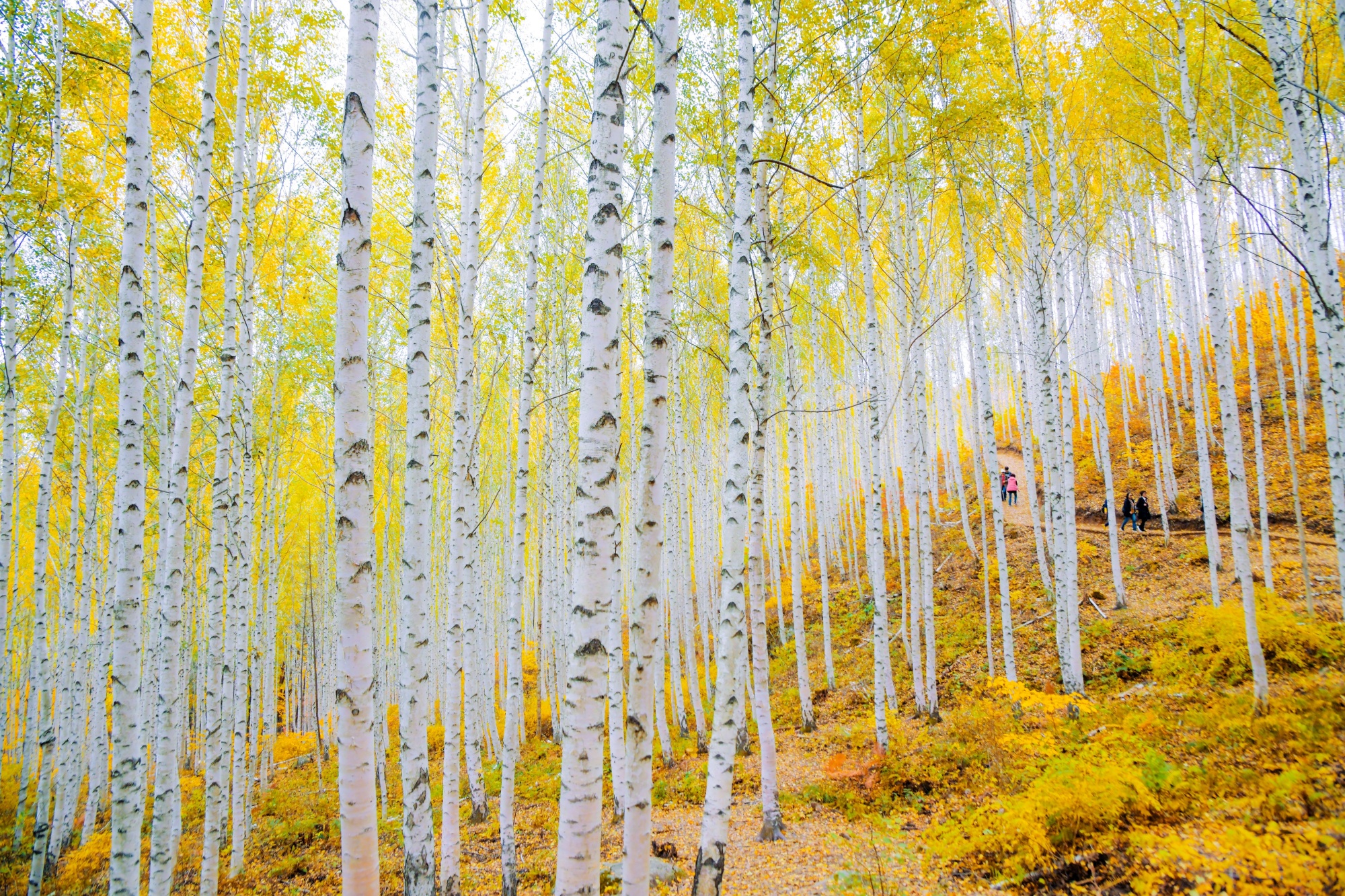
Snow-white birch trunks blend with golden foliage to create a fairytale-like fall landscape at Wondae-ri (Whispering) Birch Forest in the village of Wondae-ri in Inje-gun County, Gangwon-do Province.
The final selection is Wondae-ri (Whispering) Birch Forest in the village of Wondae-ri in Inje-gun County, Gangwon-do Province. Its diverse appeal has earned it spots in 19 categories like "phytoncide-rich therapeutic forests," "breathtaking views," "K-flowers the world fell for," "my own winter wonderland" and "K-scenes: places seen on screen."
Rows of white-trunked birch trees give the forest its almost otherworldly look. In summer, green leaves contrast with the snow-white trunks to give off a fresh, vibrant feel.
In fall, golden leaves add warmth colors to the forest, while in winter, the snow-covered birch trees evoke the image of a fairytale winter wonderland.
The walking trails there vary in difficulty. The path leading to the birch forest includes steep sections that are a bit challenging, but the reward is breathtaking scenery that makes the effort worthwhile.
To get there, go to Inje Bus Terminal and take a bus or taxi to Wondae-ri. The walk from the forest parking lot to the birch grove takes between one and 1 1/2 hours.
Access to the forest might be restricted depending on season and weather, so visitors are advised to check before going there.
uyen81@korea.kr